

As a menopause health coach, I often hear concerns about postmenopausal cramping. Even after periods stop, cramps can appear for many reasons. In this article, we’ll uncover the causes, explore natural solutions, and highlight ways to ease discomfort.
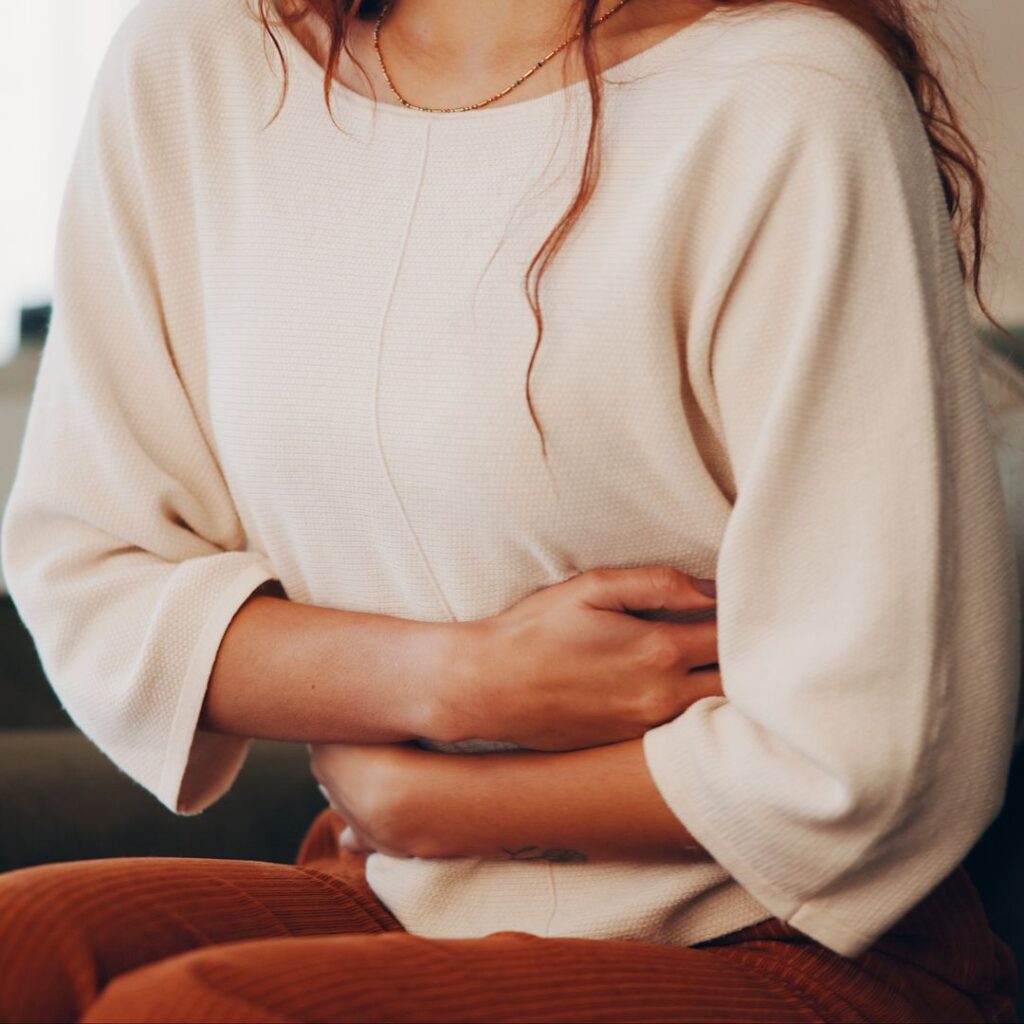
Postmenopausal cramping can feel confusing. After all, menopause marks the end of monthly cycles, so why would cramps continue? The truth is that hormonal shifts, pelvic health, and even digestive changes can contribute to lingering discomfort. Understanding the reasons behind postmenopausal cramping helps you take practical steps toward relief and reassurance.
What Causes Postmenopausal Cramping?
- Hormonal environment
Even after menopause, estrogen and progesterone levels remain consistently low. While they don’t fluctuate the way they did before, the decline in these hormones can affect tissues in the uterus, bladder, and digestive tract, sometimes contributing to sensations that feel like cramping.
- Pelvic floor changes
With age and reduced estrogen, pelvic muscles and ligaments may weaken. This can lead to pelvic floor dysfunction, which often causes pressure, aching, or pain that women describe as cramp-like.
- Digestive health
Gas, bloating, or irritable bowel syndrome can mimic cramping, making it hard to distinguish the source.
- Underlying conditions
Fibroids, endometriosis, or ovarian cysts may persist beyond menopause and cause cramping.
- Urinary tract health
Urinary tract infections or bladder inflammation are more common after menopause and can trigger pelvic discomfort that feels like cramping.
Lifestyle Factors That Can Worsen Cramping
- Dietary triggers
Certain foods can make bloating and cramping feel more intense. High-sodium meals encourage water retention, while processed sugars can fuel inflammation. Even caffeine, though it perks you up, may irritate the digestive tract and worsen discomfort for some women.
Try swapping salty snacks for potassium-rich foods and experiment with herbal teas instead of coffee to see if symptoms ease.
- Stress
Chronic stress doesn’t just weigh on your mind, it also tightens muscles throughout the body, including the pelvic region. This tension can amplify cramp-like sensations and make them harder to manage.
- Sedentary habits
Lack of movement can slow digestion and circulation, contributing to cramp-like sensations.
Natural Ways to Ease Postmenopausal Cramping
- Gentle movement
Walking, yoga, or stretching improves blood flow and reduces tension.
- Hydration
Drinking enough water supports digestion and reduces bloating.
- Balanced nutrition
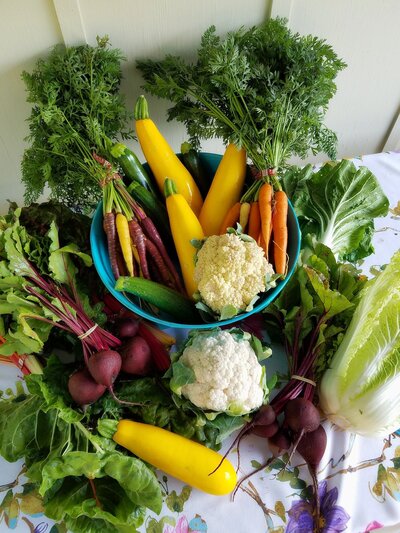
Fiber-rich foods, magnesium, and omega-3s can help regulate muscle function and reduce inflammation. Explore my recipes for menopause for hormonal balance support.
- Heat therapy
A warm compress or bath can soothe pelvic muscles.
- Mind-body practices
Meditation, breathwork, or restorative yoga can calm the nervous system and reduce muscle tension. To help you get started, I’m offering a 30-day free guest pass to Calm, so you can explore guided meditations and relaxation techniques that support midlife wellness.
- Medical check-ins
Regular gynecological exams ensure that cramping isn’t linked to more serious conditions.
Let’s Talk About Your Wellness Goals
If postmenopausal cramping has been frustrating, let’s connect. I offer a free discovery call where we can explore your wellness goals, uncover what’s holding you back, and design strategies that help you feel stronger and more at ease in midlife.
FAQs
Is postmenopausal cramping normal?
Yes, mild cramping can occur, but persistent or severe pain should be evaluated by a healthcare provider.
Can exercise help reduce cramping?
Yes. Gentle movement like walking, yoga, or stretching improves circulation, reduces stress, and supports pelvic health.
What role does nutrition play in relief?
Balanced nutrition supports digestion and reduces bloating. Fiber, magnesium, and omega-3s are especially helpful. Explore my recipes for menopause for practical meal ideas.
Let’s Stay Connected Beyond the Blog
Managing postmenopausal cramping is just one piece of the midlife wellness puzzle. If you’d like regular tips, recipes, and strategies delivered straight to your inbox, join my newsletter. It’s where I share practical guidance, science-backed insights, and a touch of encouragement to help you feel balanced as your menopause health coach.
Join my newsletter today and start receiving resources designed to support your menopause journey.




+ show Comments
- Hide Comments
add a comment