


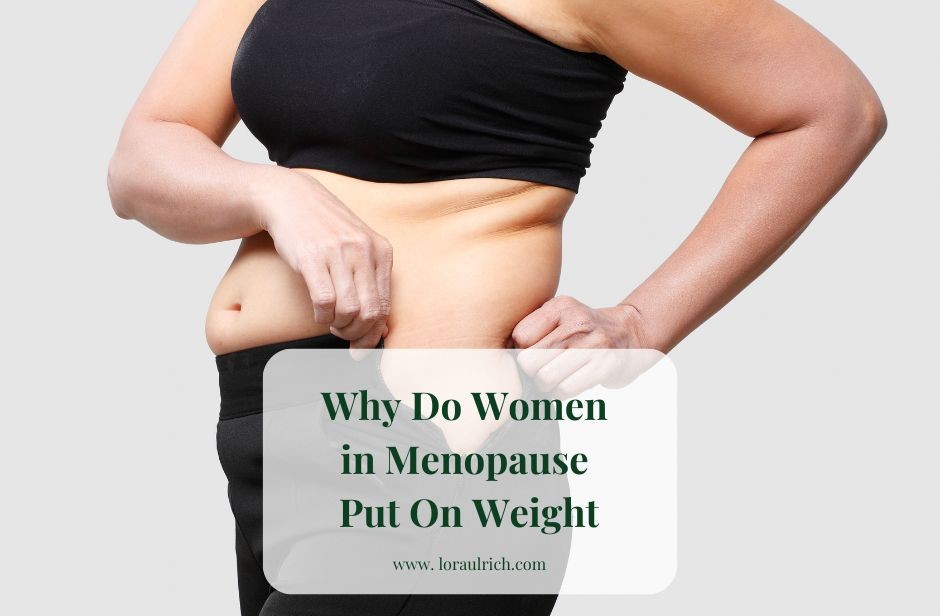
You wake up one morning, step on the scale, and suddenly wonder if your metabolism slipped out the back door without saying goodbye. “How did this happen?” you ask yourself. You’re eating the same way, moving the same way, so why the creeping weight gain?
If you’re in menopause or just approaching it, you’re not imagining things. Many women experience noticeable shifts in their bodies during this phase. So let’s break down why it happens, and more importantly, what you can do about it.
What’s Really Going On When You Hit Menopause and Put On Weight?
Hormonal shifts are the biggest culprits.
- Falling estrogen and visceral fat storage
Estrogen plays a key role in regulating body fat distribution. During your reproductive years, estrogen directs fat storage primarily to the hips, thighs, and buttocks. As estrogen levels drop during perimenopause and menopause, fat storage shifts toward the abdomen. This leads to an increase in visceral fat (the deeper fat stored around internal organs), which is highly sensitive to stress hormones like cortisol and actively promotes systemic inflammation.
- Muscle loss
As estrogen levels drop during menopause, women naturally experience a gradual loss of muscle mass. Because muscle tissue is your body’s most metabolically active tissue, having less muscle lowers your resting metabolic rate. This means your body burns fewer calories throughout the day, making it easy to put on weight even if your diet and activity levels haven’t changed at all.
- Declining insulin sensitivity
Estrogen helps keep your cells responsive to insulin. When estrogen drops, insulin sensitivity decreases, meaning your body has a harder time clearing glucose from your bloodstream after meals. Instead of efficiently using carbohydrates for energy, your body becomes more prone to storing that extra glucose as abdominal fat.
- Disrupted sleep and hunger hormones
Hot flashes, night sweats, and early morning waking fragment your sleep. Poor sleep directly disrupts ghrelin (the hormone that triggers hunger) and leptin (the hormone that signals fullness). Waking up fatigued makes your brain crave quick-energy foods like refined carbohydrates and sugar, making midlife weight management even harder.
- Elevated cortisol
Midlife often brings high emotional and physical demands. Chronic stress elevates cortisol, your primary stress hormone. High cortisol signals the liver to release extra glucose into the blood. When combined with reduced insulin sensitivity, that elevated blood sugar is pulled straight into abdominal fat cells.
What You Can Do About It
You might be thinking, “Should I cut calories again or maybe try the latest fad diet?” But what if the answer isn’t about restricting yourself?
Supporting your hormones, easing bloating, managing sleep, and fueling your body with anti-inflammatory foods – that’s how lasting change begins.
- Prioritize muscle with resistance training
Cardio is great for heart health, but resistance training is essential for midlife metabolism. Lifting weights, using resistance bands, or doing bodyweight exercises stimulates muscle protein synthesis, rebuilding the lean muscle mass needed to keep your metabolic rate strong.
- Rethink Your Plate
- Prioritize protein: Aim for 30 grams of high-quality protein per meal to preserve muscle and reduce cravings.
- Choose low-glycemic carbs: Swap refined grains for slow-burning options like quinoa, berries, and squash to prevent insulin spikes.
- Incorporate healthy fats: Avocado, olive oil, nuts, and seeds support hormone production and keep you full longer.
Following personalized diet plans for midlife helps adapt these core nutrition principles to support your specific blood sugar response and daily energy demands.
- Reduce Stress
Yoga, walking, breathwork, and journaling are soothing. Remember, lower cortisol = less belly fat.
- Prioritize Deep Sleep
Cool down your sleep space, skip the screens late at night, and try magnesium-rich foods. Deep sleep balances hunger hormones and helps regulate weight.
Working With Your Midlife Biology
Weight shifts during midlife are a natural biological response to changing endocrine signals, not a reflection of your discipline.
Starting with my free menopause weight loss guide gives you immediate, evidence-based steps to support your metabolism.
When you want targeted support, personalized menopause health coaching allows us to examine how your sleep, stress, and nutrition interact, creating an actionable plan tailored to your physiological needs.
🌿Reserve a time for a free discovery call so we can chat about what your body is experiencing and explore how we can support your metabolic health together.
FAQs
Does every woman in menopause put on weight?
Not every woman, but it’s very common. The hormonal changes in menopause can make your body more prone to storing fat, particularly in the midsection.
Why do I put on weight even though I haven’t changed how I eat?
It might feel unfair, but metabolism naturally slows down during menopause. Your body’s response to food, sleep, and stress shifts, so old habits can now lead to weight gain.
Will exercising more help me shed the weight I gain during menopause?
It can, but only when your body feels safe and supported. Overdoing it may raise cortisol levels, which contributes to belly fat. Gentle movement, paired with hormone-friendly eating and targeted menopause supplements, is often more effective.






+ show Comments
- Hide Comments
add a comment