


As a menopause health coach, I help ladies decode the signals their bodies send in midlife. One of the most confusing is cramps during menopause. Are they normal? Do they mean something’s wrong? In this blog, I’ll explain why cramps show up, what they’re connected to, and how you can respond with understanding and ease.
Cramps during menopause can feel unsettling, especially when you thought monthly cycles were behind you. Many women wonder if these cramps are leftovers from perimenopause, a sign of hormonal shifts, or something more serious. Understanding the causes helps you move from discomfort to practical solutions.
Why Do Cramps With Menopause Happen?
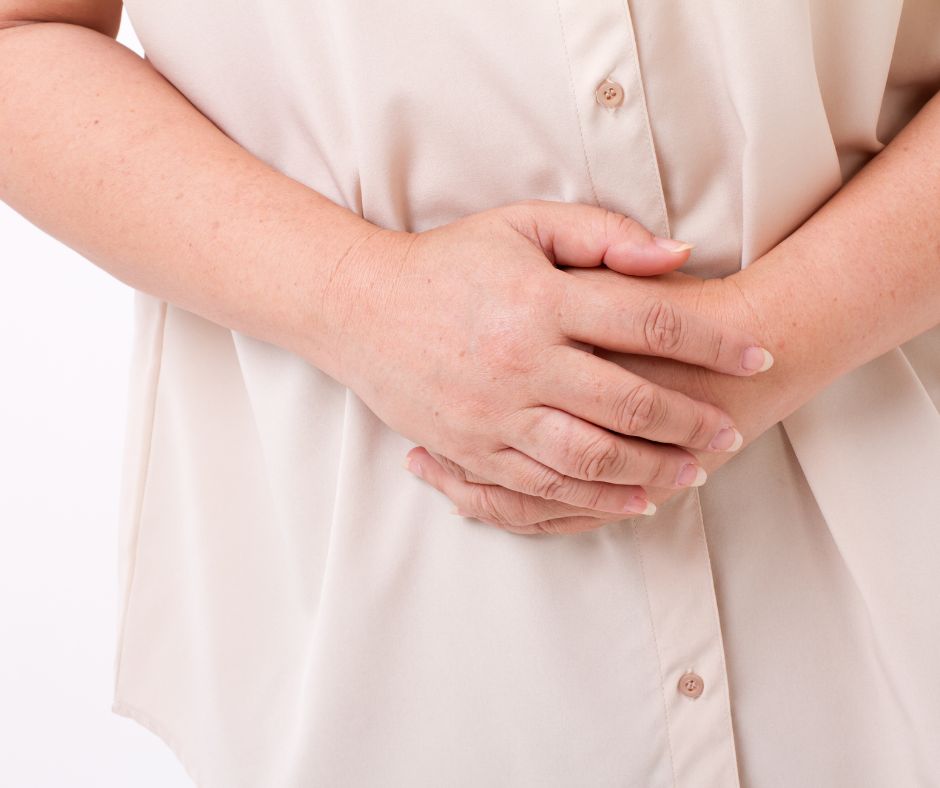
Cramps during menopause often stem from a mix of physical and hormonal changes:
- Hormonal fluctuations
Even after periods stop, estrogen and progesterone levels continue to shift, sometimes triggering uterine or pelvic discomfort.
- Pelvic floor tension
Years of stress, childbirth, or posture changes can contribute to muscle tightness that feels like cramping.
- Digestive changes
Bloating and gas are common in midlife and can mimic cramps.
- Fibroids or uterine changes
Some women experience lingering fibroid activity or tissue sensitivity that cause cramps with menopause.
- Other health factors
Conditions like endometriosis or ovarian cysts may still cause pain in midlife.
The Emotional Impact
Physical discomfort often carries emotional weight. Cramps during menopause can trigger frustration, worry, or even fear that something is wrong. Recognizing that these sensations are part of the midlife transition helps reduce anxiety and opens space for self-care.
Gentle Ways to Support Your Body
If cramps during menopause are disrupting your days, these supportive steps can help:
- Prioritize hydration
Water supports tissue health and reduces bloating.
- Stretch and move
Gentle yoga or walking can ease pelvic tension.
- Warm compresses
Heat relaxes muscles and soothes discomfort.
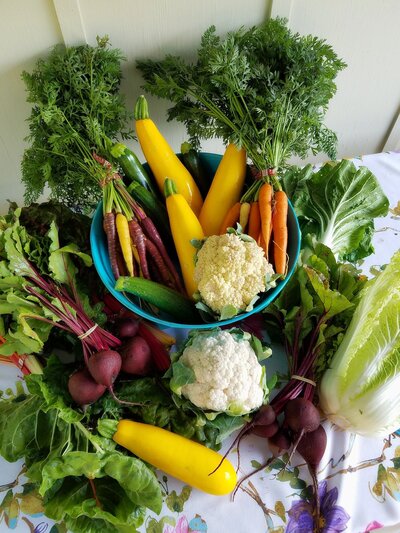
- Balanced nutrition
Foods rich in magnesium and omega-3s support muscle relaxation and reduce inflammation.
- Explore hormone-friendly recipes for menopause
Nourishing meals can reduce inflammation, stabilize blood sugar, and support overall hormone balance.
- Seek professional guidance
If cramps are severe, persistent, or paired with unusual bleeding, check in with a menopause-informed provider.
FAQs
When should I see a doctor about cramps with menopause?
If cramps are severe, persistent, or paired with bleeding, discharge, or fever, it’s important to check in with a provider.
Can diet help reduce cramps?
Absolutely. Foods rich in magnesium, omega-3s, and probiotics support muscle relaxation, reduce inflammation, and balance hormones.
Do cramps with menopause mean my period isn’t really over?
Not necessarily. Even after menstruation ends, hormonal fluctuations can trigger uterine or pelvic discomfort.
How can a menopause health coach help with cramps?
A menopause health coach offers science-backed strategies, lifestyle support, and personalized guidance to help you understand your symptoms and feel more confident in midlife.
A New Perspective
Cramps with menopause don’t mean your body is failing. They’re a reminder that hormonal rhythms are shifting and deserve care. When you listen to these signals, you can respond with strategies that bring comfort and support.
Book a free discovery call
You don’t have to sort through midlife changes alone. If cramps with menopause are leaving you confused or frustrated, let’s connect.
Book a free call with me – a safe space to share your story, explore what’s happening in your body, and discover practical steps that fit your life.




+ show Comments
- Hide Comments
add a comment