


Experiencing unexpected forgetfulness can be incredibly frustrating during midlife. As a menopause health coach, I often guide women through these exact cognitive shifts. This quick guide breaks down why changing hormone levels impact your brain health and outlines actionable, targeted nutritional steps you can take today to regain your sharp focus.
You find yourself standing in the middle of the kitchen staring at an open refrigerator, entirely blank on what you wanted to find. Or maybe you are in the middle of an important work meeting and a common, familiar word completely vanishes from your vocabulary. These moments can feel incredibly startling, and it is natural to feel a wave of anxiety when your cognitive processing suddenly feels sluggish.
When these episodes happen frequently, many women quietly begin to worry about early-onset cognitive decline. However, the reality behind this frustrating mental fog is a very common biological shift known as perimenopause memory loss. During this transitional phase, your body undergoes significant chemical adjustments that directly impact how your brain retrieves and processes information.
The Biological Connection to Your Focus

Your brain is highly sensitive to the presence of hormones, particularly estrogen. Estrogen functions as a primary key that unlocks glucose metabolism in your brain cells, providing the cellular energy your neurons need to communicate efficiently. When estrogen levels fluctuate unpredictably during midlife, the energy supply to your brain centers alters, causing temporary disruptions in cognitive function and focus.
The hippocampus, which is the specific area responsible for short-term recall and forming new memories, contains a high density of estrogen receptors. When hormone levels experience sharp peaks and valleys, this sensitive region operates with an uneven power supply. This physiological shift is why you might experience rapid word retrieval delays or trouble remembering trivial details, even though your long-term memories remain completely intact.
Why Cortisol Makes the Brain Fog Worse
Hormonal shifts are only one part of the puzzle. The physical adjustments of midlife often trigger sleep disturbances, hot flashes, and elevated levels of emotional anxiety. When your body is dealing with chronic stress or poor rest, your adrenal glands produce a steady stream of cortisol, commonly known as the stress hormone.
An overabundance of cortisol acts like static on a radio station, creating a mental block that makes information retrieval incredibly difficult. High stress actively hinders your hippocampus from accessing stored data quickly.
Supporting Brain Longevity and Cellular Vitality
Addressing these lapses requires looking at your health from a cellular perspective. While dietary adjustments and proper sleep hygiene are crucial foundational steps, your cells also require targeted nutritional support to bridge the gaps left by changing hormones. Standard store-brought multivitamins frequently lack the optimal ingredient purity and bioavailability necessary to deliver noticeable improvements to your nervous system.
To clear the mental static, your body needs specific nutrients that assist with systemic equilibrium and stress moderation. Plant-based phytoestrogens can gently mimic the stabilizing effects of estrogen on your brain receptors. Simultaneously, calming adaptogens such as Ashwagandha can help regulate your cortisol production, allowing your nervous system to rest and recover its focus.
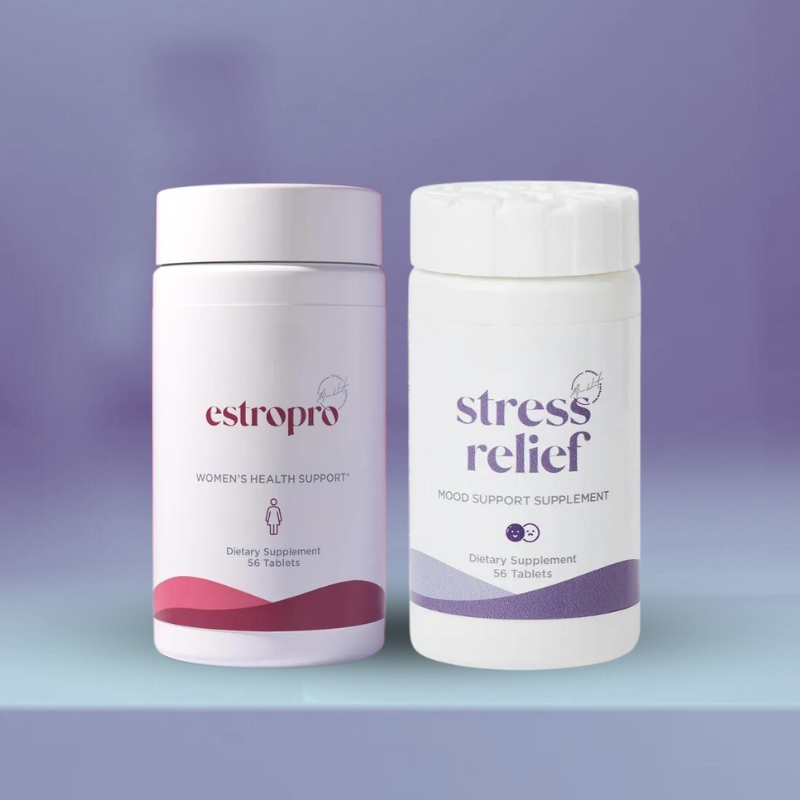
Regain Your Mental Sharpness and Balance Your Hormones
I hand-picked this specific supplement pair to help my clients clear the brain fog, manage cortisol spikes, and support fluctuating estrogen levels.
With these Perimenopause Supplements, you can support your brain health, stabilize your mood, and get your sharp focus back.
When I went through menopause, brain fog & not sleeping well, I reached out to Lora to see what I could do to support my changing hormones.
– Sue R.
Her knowledge of supplementation is incredibly valuable. I didn’t know the questions to ask or what I needed. Lora took all the guesswork out, told me exactly what to do & why. I know when I’m working with Lora, she’ll keep me moving forward in the right direction. This is great peace of mind!
Join My Newsletter
Sign up for menopause health coaching tips, nutritional strategies, and hormonal wellness insights delivered straight to your inbox.
FAQs
Is perimenopause memory loss permanent?
No, it is not permanent. These memory lapses are caused by fluctuating hormone levels and elevated cortisol affecting your brain’s daily energy supply. Once your hormones are supported and you provide your body with appropriate nutritional and stress support, most women notice their mental clarity improves.
How can I tell the difference between normal midlife forgetfulness and something more serious?
Perimenopause memory loss typically shows up as temporary, frustrating lapses, such as forgetting an idea mid-sentence, misplacing things, or walking into a room without remembering why. These are issues with retrieval, not loss of stored information. If cognitive difficulties interfere with your ability to perform basic daily activities or follow simple instructions, a medical evaluation is recommended to rule out other causes.
What specific ingredients should I look for to improve my mental focus during this time?
Look for natural phytoestrogens like soy and red clover isoflavones to help balance hormonal dips gently. Additionally, adaptogens like ashwagandha and saffron extract are highly effective at regulating stress hormones, reducing anxiety, and allowing your brain to process without the interference of high cortisol. Always check with a healthcare provider if you have underlying conditions or take medications.
Hi, I’m Lora – Here’s How I Help Women Thrive in Midlife

If We Haven’t Met Yet
Hi! I’m Lora, a Certified Holistic Nutritionist, Metabolism Specialist, and Menopause Health Coach specializing in midlife metabolism.
I support women struggling with menopausal weight gain, unpredictable energy, and frustrating symptoms with practical tools, hormone-friendly nutrition, and lifestyle shifts that support sustainable results.






+ show Comments
- Hide Comments
add a comment