


As a menopause health coach, I often hear ladies say they feel disconnected from their desire – unsure if it’s hormonal, emotional, or just part of aging. This blog explores the truth about libido in perimenopause: how it shifts, what it signals, and how to support it naturally. I also share a gentle supplement I trust to support hormonal balance during perimenopause.
What Is Perimenopause Libido, Really?
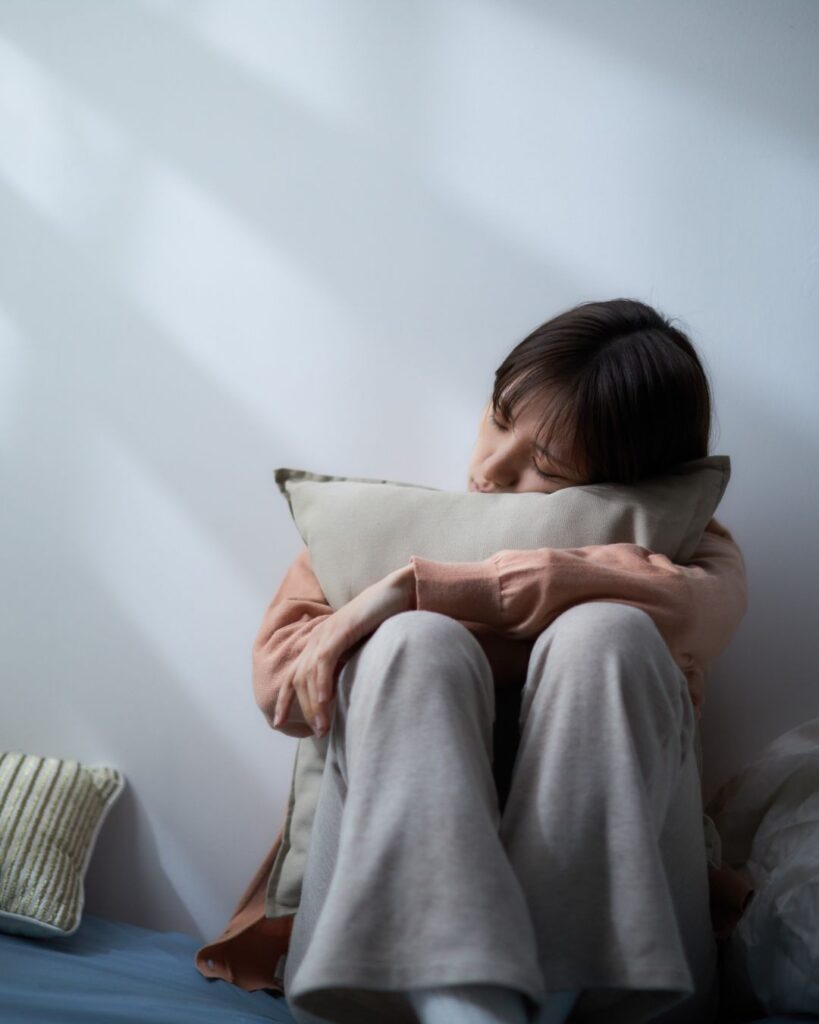
It is the natural changes in sexual desire that occur during the transitional years before menopause. It’s not just about sex – it’s about vitality, connection, and how your body communicates its deeper needs.
Some women feel their desire fade. Others experience unexpected surges. Many feel confused, wondering if something’s wrong. But libido in perimenopause isn’t broken. It’s evolving.
What Affects Libido During Menopause?
Hormonal fluctuations are a major factor. Estrogen, progesterone, and testosterone all influence libido. During perimenopause, they don’t follow a predictable rhythm. You might feel flat one week and more alive the next.
But it’s not just hormones. Libido is also shaped by:
- Stress and cortisol levels: High stress spikes cortisol, which directly competes with progesterone and inhibits oxytocin (the hormone responsible for bonding and intimacy). When your body senses stress, sexual desire takes a back seat to survival.
- Sleep quality and circadian rhythm: Disrupted sleep suppresses growth hormone and disrupts your body’s natural nighttime endocrine repair. Waking up fatigued lowers your baseline energy, making physical intimacy feel like work rather than enjoyment.
- Thyroid function and metabolic health: An underactive thyroid or unstable blood sugar drains cellular energy and impacts pelvic circulation. Fluctuating estrogen levels can also affect arterial flexibility, making physical arousal feel slower even when emotional desire is present.
- Relationship dynamics and emotional safety: Emotional connection and feeling heard play a massive role in midlife intimacy. Without a sense of safety, open communication, and mutual appreciation, physical desire rarely has the space to surface.
- Nervous system regulation and sensory input: An overstimulated nervous system stays locked in “fight-or-flight” mode. Taking time to slow down and lower sensory overload helps your body shift back into the “rest and digest” state needed to feel open to touch.
Low libido in perimenopause can be a signal. It’s not a symptom to fix, but a signal to decode.
How to Support Perimenopause Libido Naturally
There’s no one-size-fits-all solution, but here are a few grounded ways to support your libido during perimenopause:
- Track your patterns
Notice when desire feels most present or absent. Is it tied to your cycle, sleep, stress, or certain foods? This builds body literacy and helps you respond with care.
- Nourish your hormones
Support estrogen and testosterone with nutrient-dense foods, omega-3s, magnesium, and zinc. Following personalized diet plans for midlife helps optimize nutrient absorption, balance key stress hormones, and maintain steady blood sugar – giving your body the metabolic function it needs to restore desire.
- Reframe desire
Perimenopause libido isn’t just about wanting sex. It’s about wanting closeness, pleasure, and connection with yourself and others. Sometimes the desire is for rest, not necessarily touch.
- Create safety
Your nervous system needs to feel safe to access desire. That might mean slowing down, softening your schedule, or creating rituals that help you reconnect with your body.
A Supplement I Trust for Perimenopause and Beyond
When lifestyle shifts aren’t enough, targeted support can help.
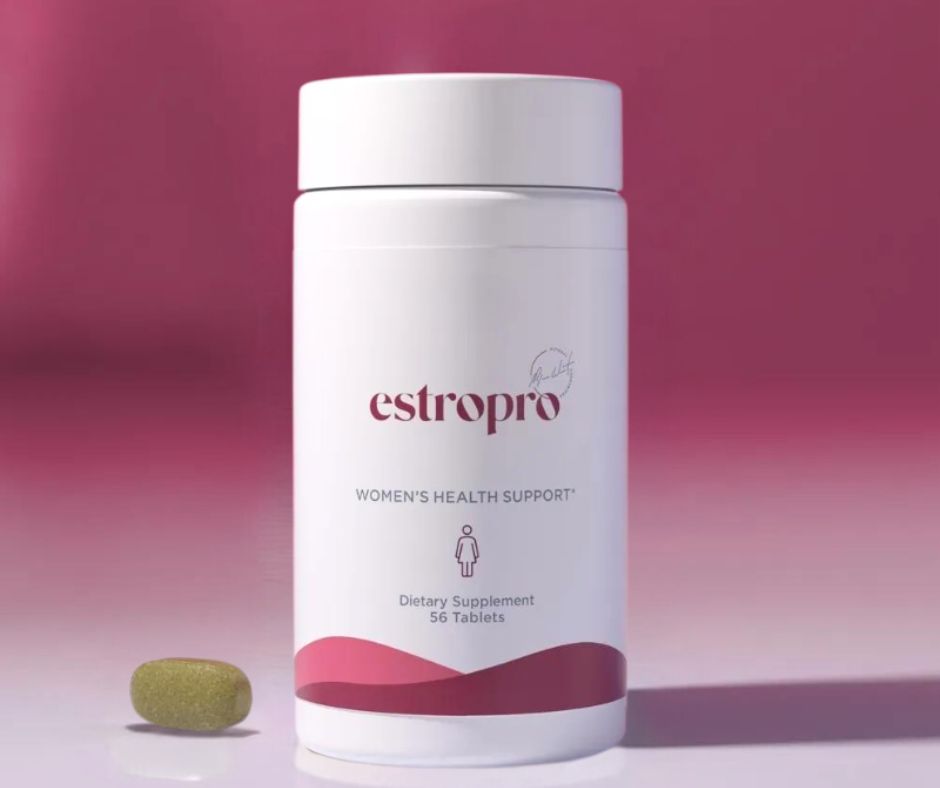
EstroPro Perimenopause Supplement
I often recommend EstroPro, a phytoestrogen-rich formula designed to support hormonal balance, mood, and libido during perimenopause. It’s gentle, plant-based, and designed for midlife bodies.
You can explore how EstroPro perimenopause supplement support works alongside a healthy lifestyle to ease midlife hormonal changes.
When to Seek Support
If your libido feels persistently low, disconnected, or distressing, it’s okay to ask for help. Through personalized menopause health coaching, we can explore the biological, emotional, and relational layers of your experience, without shame or pressure.
FAQs
Is it normal for my libido to disappear during perimenopause?
Yes, and no. It’s common, but not inevitable. Libido can dip, surge, or shift in ways that feel unfamiliar. What matters most is how you feel about it, and whether your body’s asking for something different: more rest, more rhythm, more connection.
What if I feel desire but not arousal?
This is more common than you think. Perimenopause libido can show up as a mental or emotional spark without the physical follow-through. That’s often a sign your body needs more safety, time, or a different kind of touch.
Does low libido mean something’s wrong with me?
Not at all. It means something’s shifting. It’s a signal, not a verdict.
Should I talk to my partner about this?
If you feel safe doing so, yes. Naming what’s changing can open up new kinds of intimacy, even if it’s not about sex. It is often a doorway to deeper conversations about connection, care, and what feels good now.
Let’s Stay Connected
If this resonates, I invite you to:
- Join my newsletter for honest, biologically grounded insights on midlife hormones, metabolism, and emotional clarity.
- Book a free clarity call if you’re ready to explore what your body’s been trying to tell you, and how to respond with rhythm.






+ show Comments
- Hide Comments
add a comment