


Discovering unexpected menopause facial hair can be frustrating, but this physical shift is deeply connected to your changing internal biochemistry. As a menopause health coach, I look beyond surface-level fixes to help you address the hormonal and metabolic root causes behind these sudden midlife changes.
The Hidden Transition: Why Menopause Facial Hair Appears
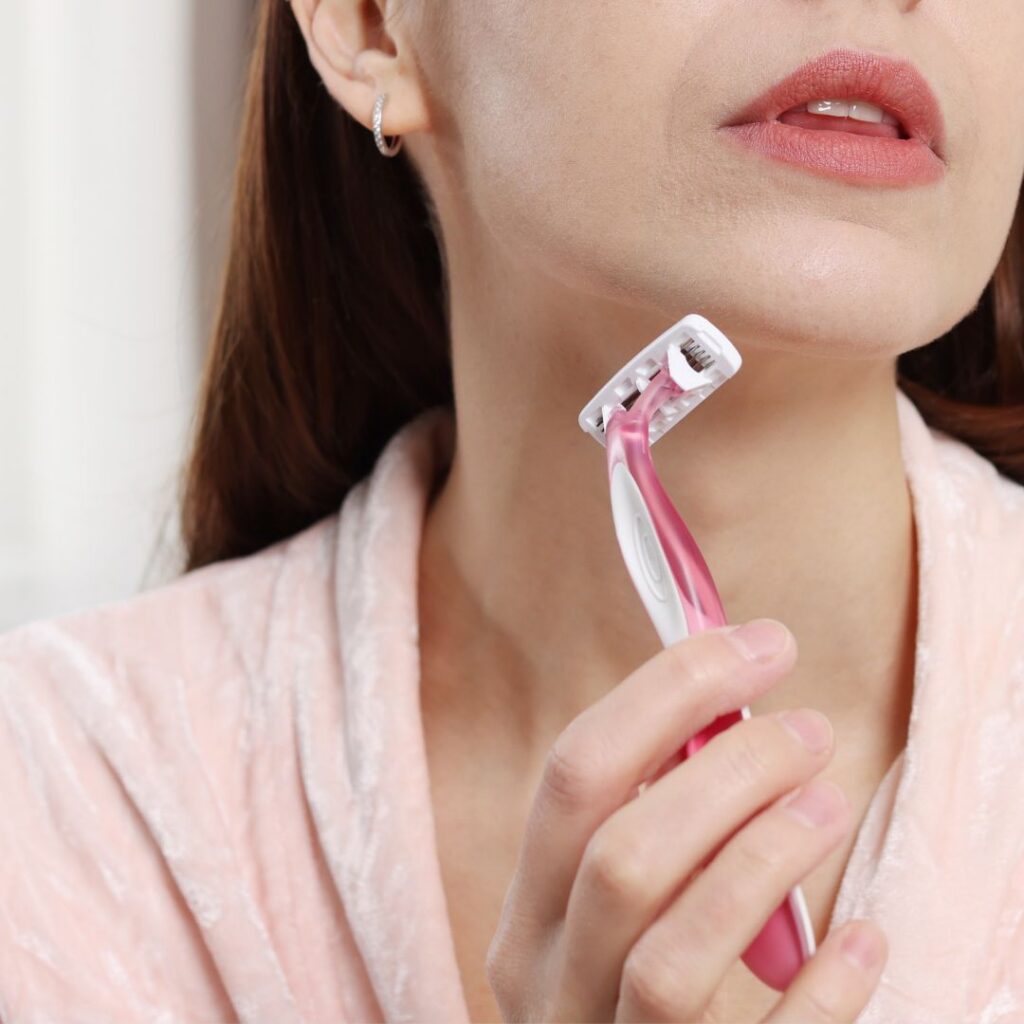
It usually starts with a single coarse hair on your chin that you could swear wasn’t there yesterday. Then a few more along your jawline, maybe a subtle darkening on your upper lip. Your instinct is to grab tweezers, book a wax, or reach for hair-removal creams.
Those methods take care of what you can see, but they don’t answer the deeper question:
Why is this happening now?
Sudden physical changes during midlife can feel discouraging, especially when they affect your confidence. But experiencing menopause facial hair is a biological response to shifting hormones, not a sign that something is “wrong” with you. When you understand what’s happening internally, you can stop feeling blindsided and start supporting your body with intention.
The Real Science Behind Menopause Facial Hair
To understand why your hair growth patterns are changing, we need to look at the balance between your female and male hormones.
Shifting hormone ratios
Your body has always produced a small amount of androgens (male hormones), including testosterone. During your reproductive years, estrogen keeps these androgens in check.
As you transition through menopause:
- Estrogen and progesterone drop sharply
- Androgens decline more slowly
- This creates a higher relative ratio of testosterone
When facial hair follicles are exposed to this higher androgen percentage, they can transform from soft peach fuzz into darker, coarser terminal hairs.
The role of insulin resistance
Your metabolic health influences how intense this symptom becomes. Estrogen helps your cells stay sensitive to insulin. As estrogen drops:
- Insulin sensitivity decreases
- Blood sugar spikes become more common
- Insulin levels rise
High insulin levels can stimulate the ovaries and adrenal glands to produce more free testosterone, which directly fuels menopause facial hair.
This is why facial hair often appears alongside other midlife symptoms like belly fat, fatigue after meals, or stubborn weight changes.
Supporting Your Body Beyond The Tweezers
Because this symptom is driven by internal hormone shifts, sustainable improvement comes from supporting your metabolism and stress response, not just removing the hair you can see.
- Stabilize your blood sugar
Since elevated insulin increases androgen production, keeping your blood sugar steady is one of the most effective ways to support your body. Focus on whole foods, clean protein, healthy fats, and fiber-rich vegetables to help prevent the sharp glucose spikes that trigger insulin surges. If you need inspiration, explore my recipes for menopause specifically designed to support midlife metabolism.
- Manage midlife stress
Your adrenal glands are responsible for producing stress hormones like cortisol, but they also produce a portion of your body’s androgens. When you experience chronic daily stress, your adrenals can increase overall hormone output, which can inadvertently worsen androgen-related symptoms.
Prioritizing rest, gentle movement, and boundaries around your energy can help calm your nervous system.
Address the Hormonal Root Cause – Not Just the Hair You See
Plucking, waxing, and shaving only manage the surface. They don’t address the metabolic shifts and changing androgen ratios that are causing the hair to grow in the first place.
If you’re ready to move beyond temporary fixes and want a root-cause, individualized approach to your midlife transition, let’s look at your unique biochemistry together.
Book a free discovery call with me below:
FAQs
Will menopause facial hair go away on its own?
Once a follicle has converted to producing terminal hair, it typically continues doing so. However, improving insulin sensitivity and supporting hormone balance can help prevent new follicles from converting.
Is facial hair during midlife a sign of a medical issue?
Most of the time, it’s a normal part of the menopausal transition. If you notice rapid, sudden hair growth paired with symptoms like severe acne or voice changes, consult a healthcare professional to rule out other conditions.
How can a menopause health coach help?
A menopause health coach looks at the full picture – hormones, stress, nutrition, and metabolic health. Instead of focusing only on topical removal, we address the internal imbalances driving the symptom.
Hi, I’m Lora – Here’s How I Help Women Thrive in Midlife

If We Haven’t Met Yet
Hi! I’m Lora, a Certified Holistic Nutritionist, Metabolism Specialist, and Menopause Health Coach specializing in midlife metabolism.
I support women struggling with menopausal weight gain, unpredictable energy, and frustrating symptoms with practical tools, hormone-friendly nutrition, and lifestyle shifts that support sustainable results.





+ show Comments
- Hide Comments
add a comment