
As a menopause health coach, I know how frustrating postmenopausal muscle pain can be. This blog explores the science behind it and offers approachable strategies to help you feel stronger, more comfortable, and ready to move with confidence.
Postmenopausal muscle pain can feel confusing and. Hormonal changes, especially the decline in estrogen, affect muscle fibers, connective tissue, and recovery time. Add in lifestyle factors like stress, sleep quality, and nutrition, and it’s easy to see why muscles may ache more often after menopause. The good news is that awareness and small adjustments can make a big difference.
What Causes Postmenopausal Muscle Pain?
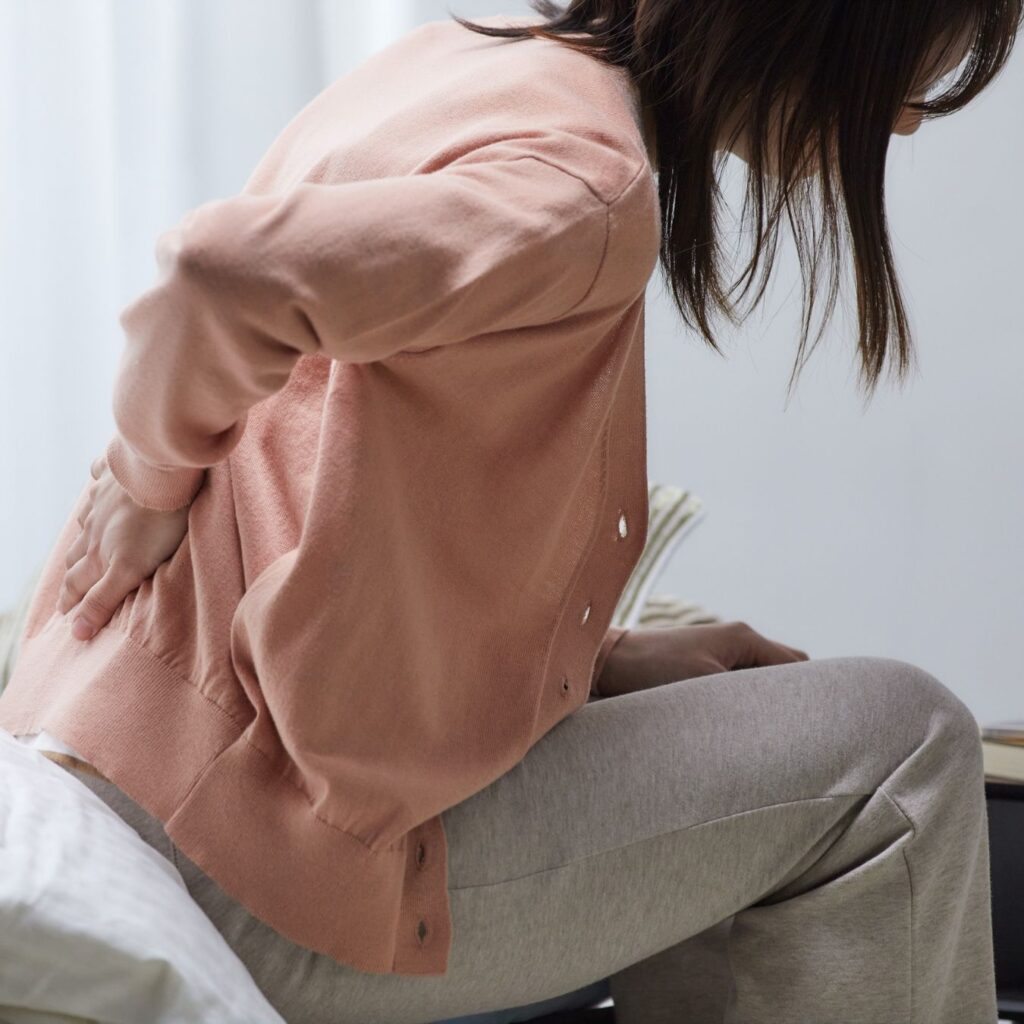
- Hormonal shifts
Estrogen plays a role in maintaining muscle elasticity and reducing inflammation. When levels drop, muscles may feel stiffer, recovery slows, and soreness lasts longer.
- Inflammation and recovery
Postmenopausal muscle pain is often linked to increased inflammation. Without the protective effect of estrogen, the body may take longer to repair tiny muscle tears from exercise or daily activity.
- Lifestyle factors
- Nutrition: Diets high in processed foods can worsen inflammation.
- Sleep: Poor sleep quality reduces muscle recovery.
- Stress: Chronic stress tightens muscles and heightens pain sensitivity.
Practical Ways to Ease Postmenopausal Muscle Pain
- Gentle movement
Regular, low-impact exercise helps muscles stay flexible and strong. Yoga and Pilates improve posture and balance, while walking or swimming boosts circulation and reduces stiffness. Even short bursts of stretching throughout the day can release tension and prevent cramp-like sensations.
- Balanced nutrition
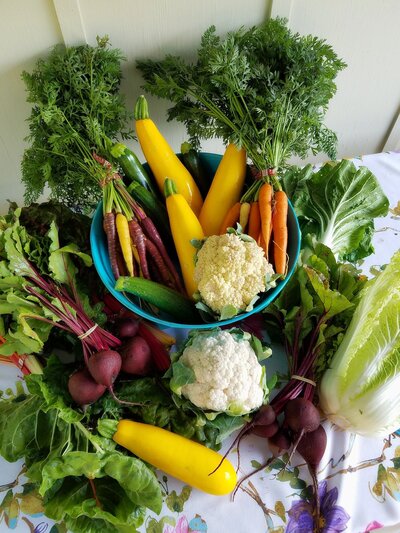
Food is fuel for muscle recovery. Anti-inflammatory choices such as leafy greens, berries, turmeric, and omega-3 rich fish can calm soreness. Adequate protein supports muscle repair, while magnesium-rich foods like nuts and seeds may ease cramping. Limiting processed sugars and excess sodium helps reduce bloating and discomfort.
Explore my recipes for menopause for simple, nourishing meals that support muscle health and hormonal balance. And if you’re looking for extra support, the Core Health Bundle offers targeted nutrients designed to help women in midlife avoid energy crashes, reduce inflammation, support hormonal balance, and strengthen overall resilience.
- Hydration
Muscles rely on fluid balance to contract and relax properly. Dehydration can intensify postmenopausal muscle pain, making cramps sharper and recovery slower. Aim for steady hydration throughout the day, and include electrolyte-rich options like coconut water or mineral water if you’re physically active.
- Mind-body practices
Stress management is essential. Deep breathing, meditation, or progressive muscle relaxation can reduce pelvic and abdominal tension. Even five minutes of mindfulness before bed can improve sleep quality, which in turn supports muscle recovery.
Claim your free guest pass to Calm and explore guided practices designed to ease tension and restore balance.
- Sleep hygiene
Rest is when muscles repair themselves. Creating a consistent bedtime routine, limiting screen time before sleep, and keeping your room cool and dark can improve sleep quality. Better sleep means less inflammation and faster recovery from soreness.
Ready to Feel Stronger?
Postmenopausal muscle pain doesn’t have to define your daily life. With the right mix of movement, nutrition, and recovery strategies, you can ease discomfort and reclaim energy. If you’re ready to take the next step, book your free discovery call with me today. Together, we’ll create a personalized plan to help you feel stronger, more energized, and confident in your body again.
FAQs
Is postmenopausal muscle pain common?
Yes, many women experience muscle aches due to hormonal changes, reduced recovery speed, and lifestyle factors.
Can exercise make muscle pain worse?
Overexertion can increase soreness, but gentle, consistent movement usually helps reduce pain over time.
How long does postmenopausal muscle pain last?
It varies. With supportive lifestyle changes, many women notice improvements within weeks to months.
Stay Connected: Join My Newsletter
If you found this blog helpful, don’t miss out on more practical tips, recipes, and strategies for thriving in midlife. Subscribe to my newsletter today and get regular insights delivered straight to your inbox – designed to help you feel stronger, more balanced, and supported every step of the way.





+ show Comments
- Hide Comments
add a comment