


As a menopause health coach, I see how confusing midlife shifts can be, especially when they involve unexpected changes in your body scent. This guide explains why perimenopause vaginal odor occurs and how to fix the underlying pH imbalance using science-backed nutrition and lifestyle shifts so you can feel comfortable in your own skin again.
Most women expect hot flashes or skipped periods, but a change in your personal scent can be one of the most unsettling symptoms of midlife. If you’ve noticed a shift, it is important to know that vaginal odor during perimenopause is a biological response to changing chemistry, not a hygiene problem.
The Estrogen and pH Connection
The primary reason for perimenopause vaginal odor is the natural decline of estrogen. Estrogen is responsible for keeping the vaginal lining thick and maintaining a healthy level of glycogen. Your beneficial bacteria, known as Lactobacillus, feed on this glycogen to produce lactic acid.
This acid keeps your vaginal pH low and slightly acidic, which is the body’s natural defense against odor-causing bacteria. When estrogen dips:
- Lactobacillus levels drop
- pH rises (becomes less acidic)
- Odor-causing bacteria can grow more easily
- Glycogen decreases
This shift in pH and bacterial balance is the reason the scent changes during perimenopause.
The Power of the Right Probiotic
To fix the environment “down there,” you have to look at the environment in your gut. Research shows that the gut and the vaginal microbiome influence each other, and supporting gut bacteria can help restore balance.
When choosing a Probiotic supplement, look for specific, well-researched strains that survive stomach acid and support microbial balance, such as Lactobacillus rhamnosus (LGG®) and Bifidobacterium animalis (BB-12®). These strains have been studied for their ability to support microbial diversity and maintain healthier pH environments.
This Probiotic duo includes clinically researched strains designed to support gut balance – an important upstream step in maintaining a healthier vaginal environment.
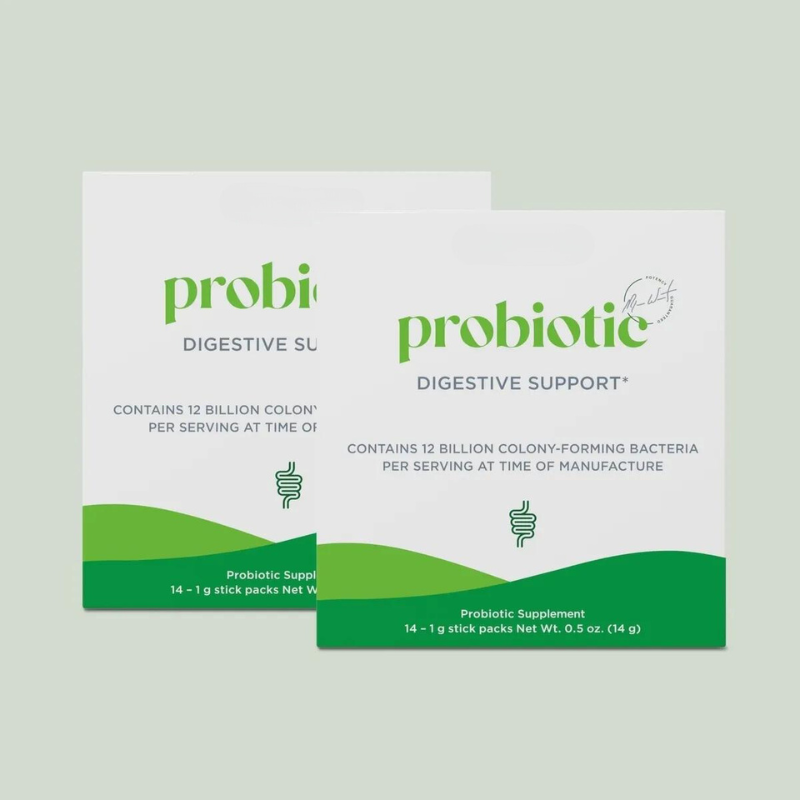
Support Your Gut,
Support Your Vaginal pH
A healthy vaginal environment starts in the gut. These clinically researched probiotic strains help reinforce microbial balance – an essential step for managing vaginal odor naturally.
Supportive Solutions for Balance
- Focus on microbiome diversity
Beyond supplements, eating fiber-rich foods provides the prebiotics that feed your good bacteria.
- Stay hydrated
Water is essential for cellular health and helps dilute the concentration of scents in the body.
- Avoid “cover-up” products
Scented wipes or harsh soaps often contain chemicals that strip away your natural defenses. Sticking to plain water or very mild, pH-balanced cleansers is much more effective.
- Wear natural fibers
Breathable fabrics like cotton allow for airflow, which prevents the heat and moisture buildup that encourages bacterial overgrowth.
The Strategy Shift
While it is tempting to focus only on the scent, perimenopause vaginal odor is often a sign of broader hormonal and microbiome changes. If your microbiome is struggling, it is frequently a sign that your stress hormones (cortisol) or your thyroid are also out of balance.
To start supporting your body properly, you need to see what is happening under the hood. A great next step is learning how to ask the right questions about menopause lab tests. Getting your data in order allows us to create a plan that addresses the root cause rather than just the symptoms.
Book a free discovery call with me so we can look at your unique profile together and build a clear plan to get your body back in balance in midlife.
FAQs
Is a change in scent a normal part of aging?
It is common during hormonal transitions. While it happens to many, it is a clear signal that your pH is out of balance and can be improved with the right nutritional support.
How long does it take for probiotics to help with odor?
While everyone is different, many women notice a shift in their overall balance within a few weeks of consistent, high-quality probiotic use and dietary changes.
Can stress make perimenopause vaginal odor worse?
Yes. High cortisol levels can disrupt your microbiome and weaken your immune response, making it harder for your body to maintain a healthy, acidic pH.
Hi, I’m Lora – Here’s How I Help Women Thrive in Midlife

If We Haven’t Met Yet
Hi! I’m Lora, a Certified Holistic Nutritionist, Metabolism Specialist, and Menopause Health Coach specializing in midlife metabolism.
I support women struggling with menopausal weight gain, unpredictable energy, and frustrating symptoms with practical tools, hormone-friendly nutrition, and lifestyle shifts that support sustainable results.






+ show Comments
- Hide Comments
add a comment