


Fluctuating hormones during midlife often cause unexpected changes down below, including a sudden rise in stubborn vaginal irritation. As a menopause health coach, I work with women to look beyond quick fixes and address the root systemic causes of midlife yeast overgrowth. Keep reading to discover exactly why menopause yeast infections happen and how specific dietary shifts can help you find lasting relief.
Most women anticipate the hot flashes, the unpredictable mood swings, and the sleep disruptions that come with midlife. What often catches people entirely off guard, however, is dealing with sudden, recurring menopause yeast infections. It can feel incredibly frustrating to navigate intense itching, burning, and unusual discharge, especially if this was never an issue in your younger years.
To find a permanent solution, we have to look at the internal ecosystem. Your body is going through a massive hormonal transition, and those shifts directly impact your internal flora.
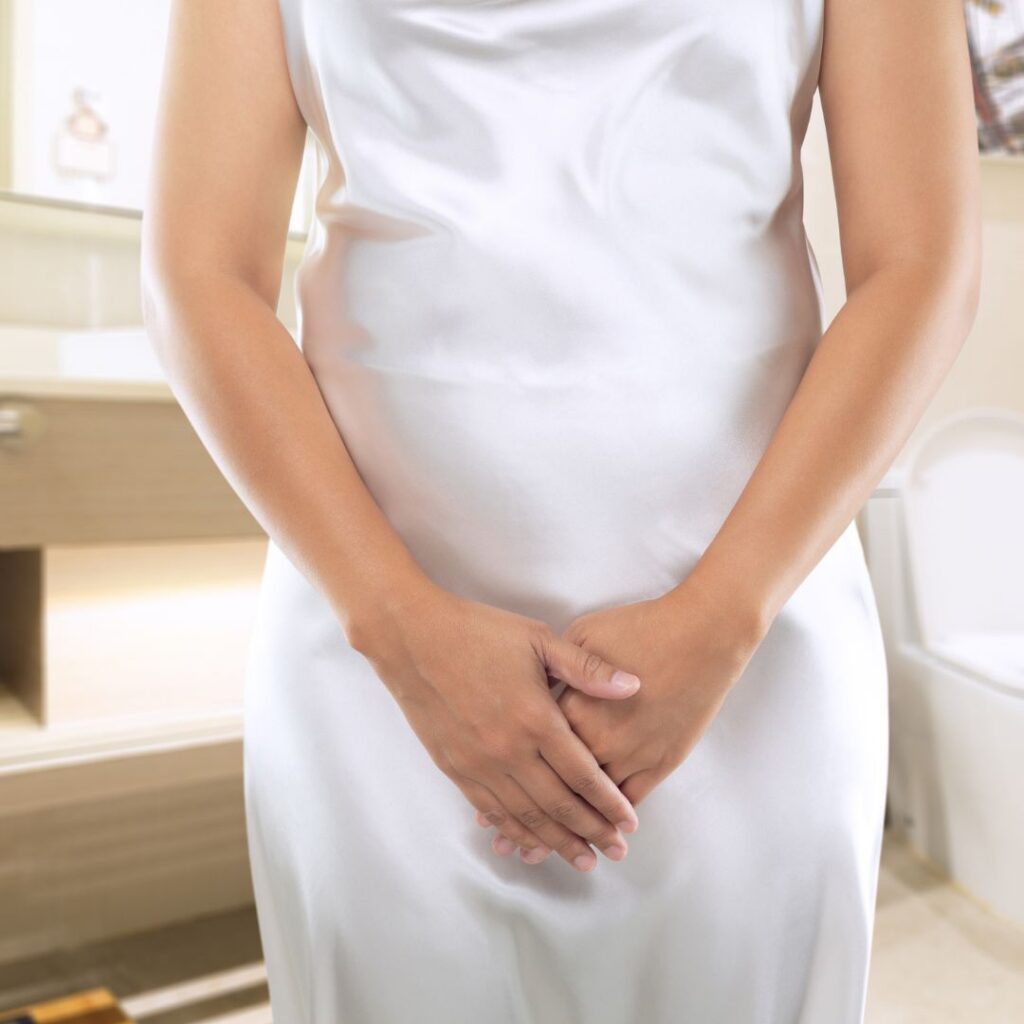
The Real Reason Behind Menopause Yeast Infections
The main culprit behind midlife tissue changes is the natural decline of estrogen. This hormonal drop sets off a chain reaction in your vaginal environment:
- pH Shift
Estrogen naturally keeps the vaginal environment mildly acidic, which acts as a shield against bad bacteria and fungi. When estrogen drops, the pH level rises, becoming more alkaline.
- Loss of Beneficial Bacteria
Helpful bacteria known as Lactobacillus rely on glycogen to thrive. Lower estrogen means less glycogen, causing your populations of Lactobacillus to dwindle.
- The Opportunistic Growth
Without enough protective bacteria and the proper acidity, a naturally occurring fungus called Candida albicans suddenly has room to multiply. This imbalance is the direct trigger for menopause yeast infections.
The Gut-Vaginal Axis: Why Nutrition Matters
Many people treat a fungal issue as an isolated local problem, relying on over-the-counter creams that only mask the symptoms temporarily. True relief requires looking at your digestive tract.
Your gut microbiome and your vaginal microbiome are constantly communicating through what science calls the gut-vaginal axis. If your digestive system is overwhelmed by an overgrowth of yeast due to poor digestion, stress, or disrupted gut flora, that yeast can easily migrate and disrupt your vaginal health.
Furthermore, blood sugar stability changes during menopause. Shifting hormones can make your body more sensitive to carbohydrates and insulin spikes. Because yeast thrives on glucose, a diet high in refined sugars and ultra-processed foods feeds the overgrowth through your bloodstream.
How to Starve the Yeast and Restore Balance
As a health coach, I recommend using targeted nutrition to rebuild your defenses rather than relying solely on temporary fixes.
- Reduce refined sugar and simple carbs
Lower your intake of simple carbohydrates such as pastries, breads, sugary drinks, and processed snacks. Minimizing these foods cuts off the primary food supply for Candida.
- Focus on prebiotic fibers
Eat leeks, asparagus, flaxseeds, onions, and garlic. These foods act as fuel for your remaining good bacteria, helping them multiply naturally. If you want to speed up your relief, pairing these prebiotic foods with a targeted, high-quality Probiotic Supplement introduces billions of live, active cultures directly into your system, creating a powerful defense network that crowds out stubborn yeast.
- Prioritize lean proteins and healthy fats
Center your meals around wild-caught fish, organic poultry, avocados, olive oil, and leafy greens. These stabilize your blood sugar and prevent the glucose spikes that yeast loves. To get started with meal ideas, check out my favorite collection of recipes for menopause designed to support hormone balance.
- Stay hydrated
Drinking plenty of water supports your body’s natural detoxification pathways and helps maintain healthy mucosal linings throughout the entire body.
- Get a professional diagnosis
Before changing your routine, visit a healthcare professional to confirm you are dealing with a fungal issue. Other conditions, including bacterial vaginosis or tissue thinning, share similar symptoms but require completely different care.
Take Back Control of Your Health
Dealing with persistent menopause yeast infections is a sign that your body’s internal ecosystem is asking for deeper, systemic support. You do not have to just live with the discomfort or rely on endless cycles of topical creams.
If you are ready to stop guessing which foods are triggering your menopause symptoms and want a customized, step-by-step roadmap to balance your hormones and fix your gut, let’s chat. Click below to book a complimentary Hormone Health Discovery Call, where we will look at your unique lifestyle and create a plan to help you feel like yourself again.
FAQs
Can menopause cause yeast infections if I never had them before?
Yes. Even if you never experienced them in your 20s or 30s, the drop in estrogen during menopause changes your vaginal pH and lowers your levels of protective bacteria, making it much easier for yeast to grow.
How long does it take for dietary changes to help with yeast overgrowth?
Every body is different, but many women notice a significant reduction in discomfort and recurring issues within two to four weeks of consistently balancing their blood sugar and removing refined irritants from their diet.
Why do menopause yeast infections keep coming back after treatment?
Over-the-counter creams only kill the yeast on the surface of the tissue. If your underlying vaginal pH remains high due to low estrogen, or if your gut microbiome is unbalanced, the environment stays welcoming to yeast. The fungus will simply multiply again, creating a frustrating cycle. This is why addressing gut health, blood sugar stability, and vaginal pH is essential for long-term relief.




+ show Comments
- Hide Comments
add a comment