


As a menopause health coach, I see how heartburn in perimenopause disrupts daily life. This guide explains why hormonal shifts can increase the likelihood of acid reflux and offers holistic strategies to manage symptoms. By focusing on digestive efficiency and high-quality supplementation, you can support your gut health and find lasting relief during this transition.
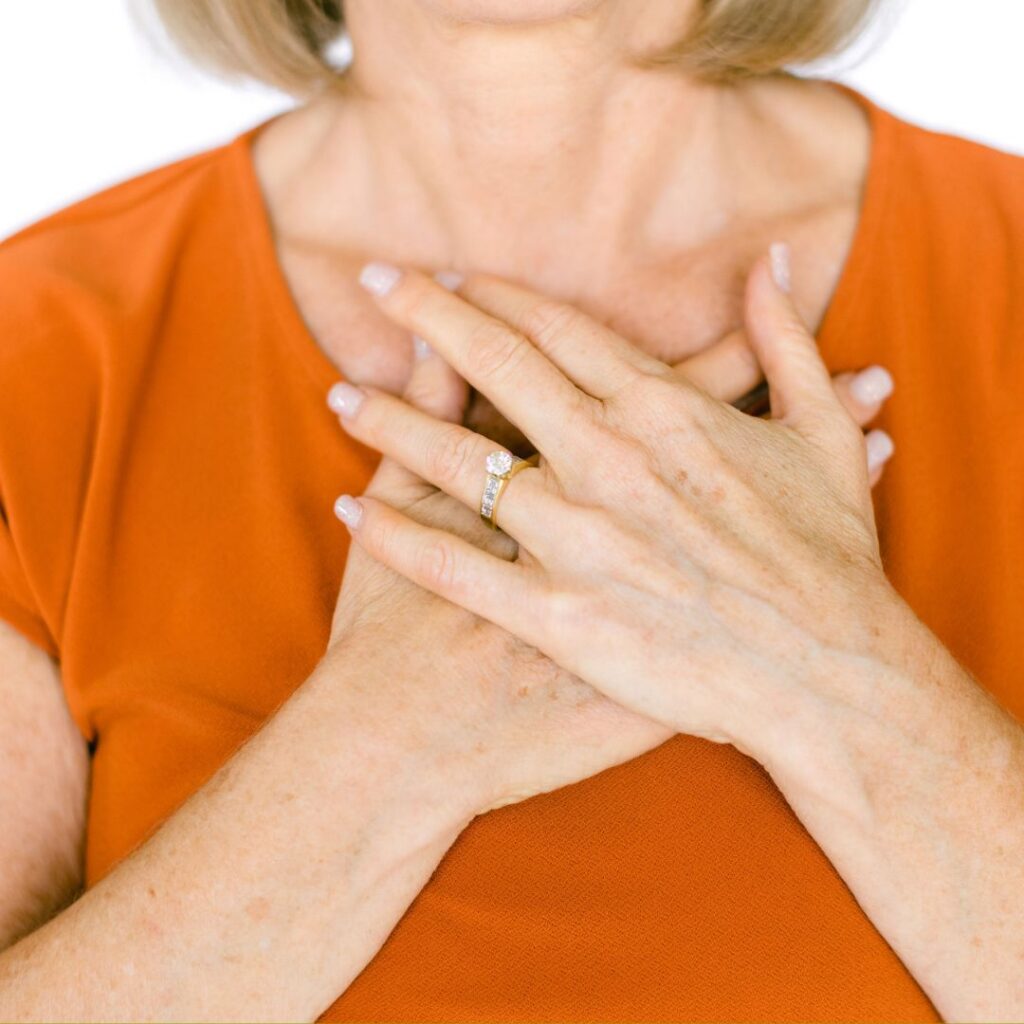
In your 40s, your body begins a complex transition that affects more than just your cycle. Many women start to notice a burning sensation after meals or a sour taste in their mouth. This is perimenopause heartburn, and it is often tied to the fluctuating estrogen and progesterone levels in your system.
The Science of the Burn
When estrogen levels begin to drop, the muscular valve at the top of your stomach (the lower esophageal sphincter, can lose its tone. This valve is supposed to stay tightly shut to keep acid down. When it relaxes, acid creeps up. At the same time, shifting progesterone can slow down your digestion. This means food sits in your stomach longer, creating the pressure and gas that may contribute perimenopause heartburn.
Holistic Strategies for Relief
Managing this discomfort requires a look at your daily habits. Small shifts can make a significant difference in how you feel after eating.
- Mindful pacing
Digestion starts in the brain. If you eat while stressed or rushing, your body doesn’t produce enough digestive juices. Sitting down and chewing each bite thoroughly helps the stomach process food more effectively.
- Hydration timing
Try drinking most of your water between meals rather than while you eat. Too much liquid while eating can slightly dilute your natural enzymes, making it harder for your body to break down what you just ate.
- The three-hour rule
Gravity is your friend. Aim to finish your last meal at least three hours before lying down. This gives your stomach enough time to empty, reducing the risk of nighttime heartburn.
- Identify your triggers
While every body is different, common culprits like caffeine, spicy foods, or carbonated drinks can aggravate perimenopause heartburn. Keeping a simple food diary for a week can help you spot patterns.
Strategic Support for Your Gut
When lifestyle changes need extra reinforcement, targeted supplementation can help bridge the gap. To combat perimenopause heartburn, you need to address both the speed of digestion and the health of your microbiome.
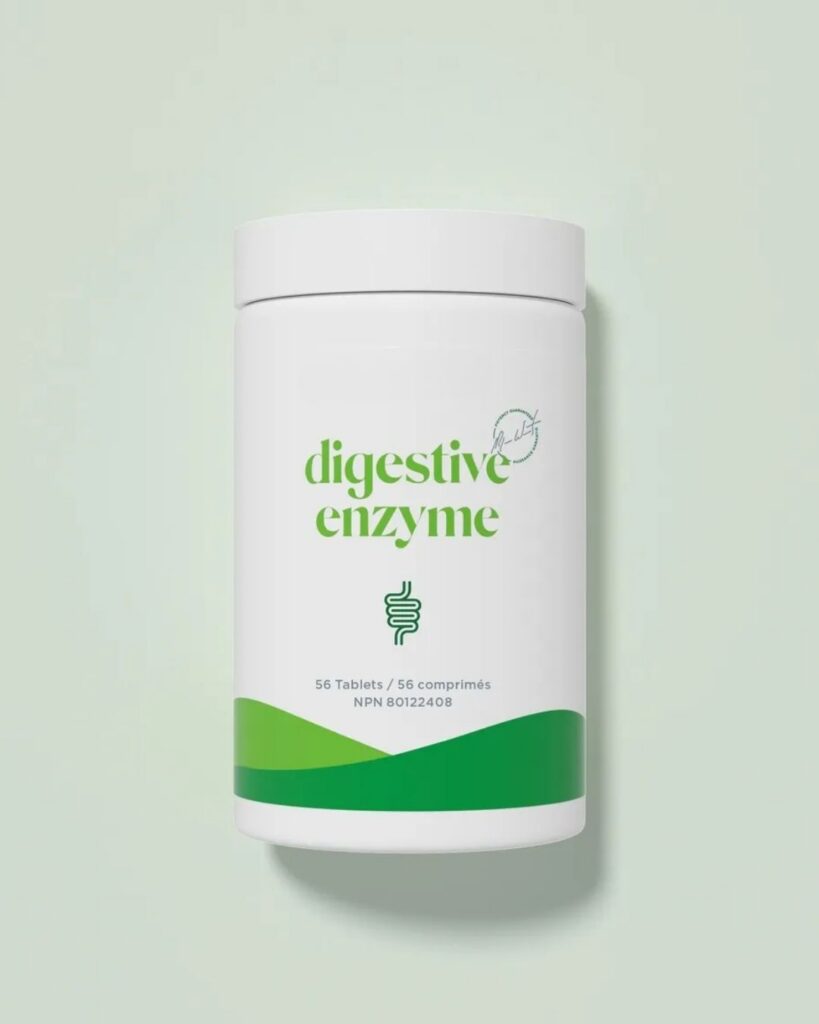
I recommend a combination of Digestive Enzymes and Probiotics to provide a comprehensive solution. The enzymes work in the stomach to break down food quickly, reducing the pressure that can contribute to reflux. Meanwhile, the probiotics support the lower digestive tract, ensuring that your gut bacteria stay balanced despite hormonal stress.
Using a professional-grade strains like LGG® and BB-12® ensures the beneficial bacteria survive the stomach’s acidic environment.
Support Your Stomach: Accelerate Digestion and Reduce Pressure
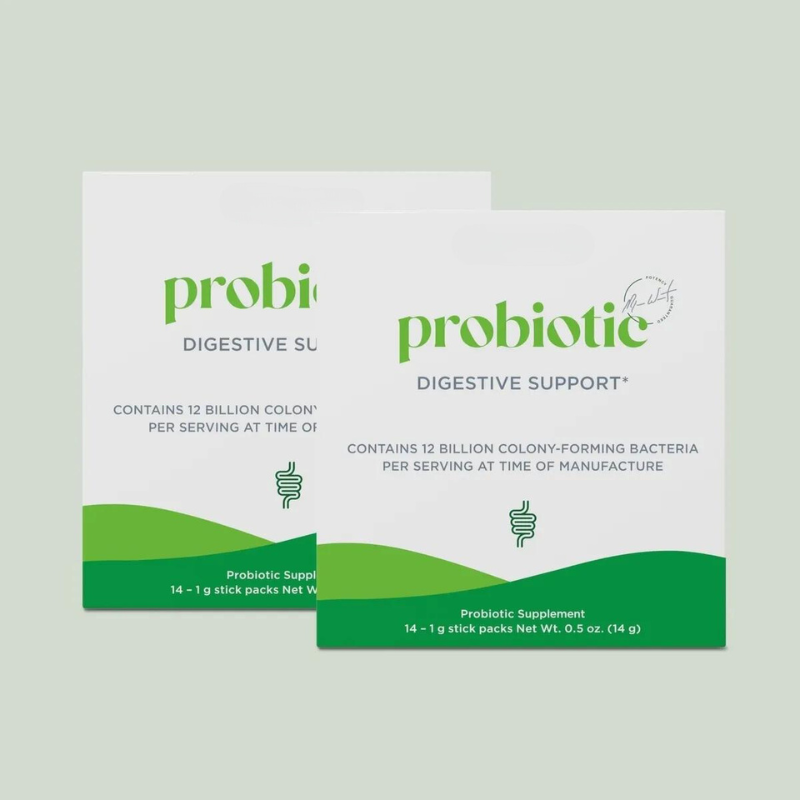
Balance Your Microbiome: The Foundation of Long-term Gut Comfort
Join My Newsletter
Midlife is a major transition, but it doesn’t have to be a confusing one. If you want to receive holistic strategies, wellness shifts, and hormone-friendly recipes to help you thrive through perimenopause and beyond, sign up for my newsletter.
FAQs
Can hormones really cause acid reflux?
Yes. Estrogen and progesterone have a direct effect on the muscles of the digestive tract. When these hormones fluctuate, the valve that keeps acid in the stomach can relax, which may increase the likelihood of perimenopause heartburn.
Can I take Digestive Enzyme and Probiotic at the same time?
Yes, they are designed to work together. While the Digestive Enzyme should be taken with your meals to help break down food, the Probiotic can be taken at any time of day (though many prefer taking it with a meal to establish a consistent routine). Together they provide a top-to-bottom approach to managing perimenopause heartburn.
Will the Probiotic survive my stomach acid if I already have reflux?
This is a common concern. The Probiotic Duo uses specific, resilient strains that are specifically selected for their ability to survive the harsh, acidic environment of the stomach. This ensures the beneficial bacteria reach your intestines alive, where they can help balance your system and reduce the long-term triggers of perimenopause heartburn.
Hi, I’m Lora – Here’s How I Help Women Thrive in Midlife

If We Haven’t Met Yet
Hi! I’m Lora, a Certified Holistic Nutritionist, Metabolism Specialist, and Menopause Health Coach specializing in midlife metabolism.
I support women struggling with menopausal weight gain, unpredictable energy, and frustrating symptoms with practical tools, hormone-friendly nutrition, and lifestyle shifts that support sustainable results.
The insights support general digestive wellness and are not intended to diagnose or treat medical conditions. If you’re experiencing worsening symptoms, please speak with a healthcare provider.





+ show Comments
- Hide Comments
add a comment