
As a menopause health coach, I’ve seen how water retention in perimenopause can feel confusing and frustrating. This blog explores the hormonal shifts behind bloating, the digestive factors that make it worse, and supportive ways to ease the discomfort. Together, we’ll look at the nutrition, lifestyle, and supplement support that help restore your metabolic balance.
When Hormones Shifts, So Does Fluid Balance
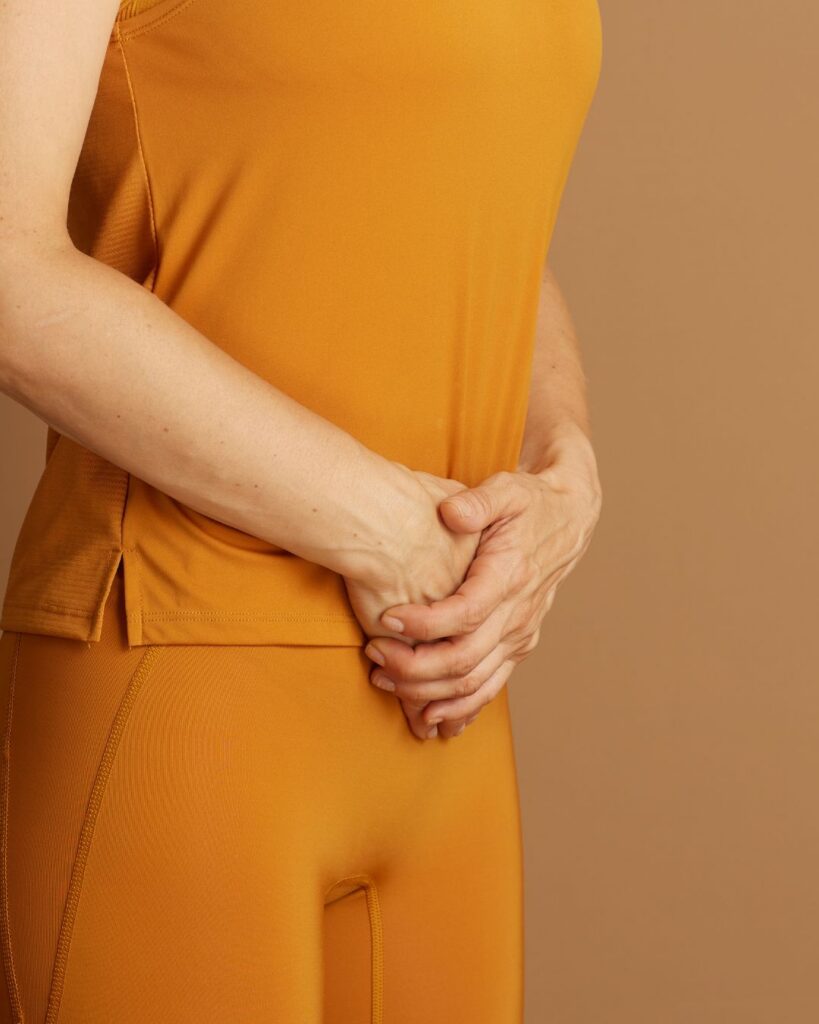
Perimenopause water retention isn’t just about “eating too much salt.” Estrogen and progesterone play a direct role in how your body manages sodium and fluid. When these hormones fluctuate erratically, your body may hold onto water more easily. leaving you feeling swollen in your face, hands, or ankles. It’s a sign your system is attempting to recalibrate during midlife shifts.
Why It Feels So Different
This type of bloating often feels more stubborn than the cycle-related puffiness you may have noticed in earlier years. It can linger longer, drain your energy, and even change how clothes fit from morning to night. Recognizing it as hormonal water retention helps shift the perspective: your body isn’t working against you; it’s simply navigating a major transition.
What Helps Ease Perimenopause Water Retention
- Strategic hydration
Drinking more water may sound counterintuitive, but dehydration signals your body to hold onto fluid. Consistent hydration helps your kidneys flush excess sodium and restore internal balance.
- Electrolyte balance
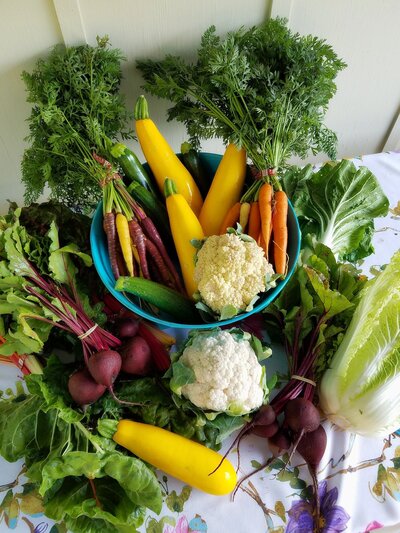
Potassium-rich foods like leafy greens, avocados, and bananas counter sodium-driven swelling. Think of them as gentle regulators that help your body naturally let go of what it doesn’t need.
- Movement for lymphatic circulation
Gentle walking or strength training encourages fluid to move through tissues instead of pooling. It’s less about burning calories and more about helping your body circulate what feels heavy and stagnant.
- Digestive support
Optimizing your gut-hormone connection with targeted Probiotics and digestive enzymes can reduce the stubborn bloating that often mimics or accompanies water retention. By supporting gut health, you help your metabolism process nutrients more efficiently, assist your body in clearing metabolic waste effectively, and minimize the overall discomfort that comes with the perimenopause through postmenopause transition.
The Emotional Side of Bloating
Water retention isn’t just physical; it can affect confidence and mood. When your body feels heavier or less predictable, it’s easy to slip into frustration. Naming it for what it is (a biological response), and knowing there are strategies to ease it, helps you feel more in control and less at the mercy of “mystery swelling.”
Book a Free Discovery Call
Sometimes the hardest part is knowing where to start. I offer a free discovery call to midlife women – a chance to ask questions, get clarity, and walk away with a wellness goal that feels achievable.
Join My Newsletter
Want ongoing tips, recipes, and sustainable strategies for women in perimenopause and beyond? I invite you to join my weekly newsletter where I share the tools that work best for women navigating midlife changes.
FAQs
Is water retention in perimenopause is the same as weight gain?
Not exactly. Water retention is fluid your body holds temporarily, while weight gain involves fat storage often triggered by metabolic changes. The two can overlap, but they’re not identical. Addressing fluid balance helps women feel less “inflated,” even if the scale hasn’t moved much.
Can digestive support really help with bloating?
Yes. Probiotics and digestive enzymes improve how your body processes food, which reduces gas and abdominal bloating. When digestion runs smoothly, water retention feels less intense because your system isn’t fighting on multiple fronts.
Should I cut salt completely?
Not necessarily. Sodium is essential for fluid balance, but excess intake can worsen retention. The goal is moderation, paired with potassium-rich foods, consistent hydration, lifestyle adjustments, and targeted digestive support.
Want deeper strategies to manage midlife bloating? Read my post on lifestyle and supplement solutions for menopause belly bloat. It expands on the approaches we’ve touched here and shows how small, consistent changes can ease the root causes and bring lasting relief.
Hi, I’m Lora – Here’s How I Help Women Thrive in Midlife

If We Haven’t Met Yet
Hi! I’m Lora, a Certified Holistic Nutritionist, Metabolism Specialist, and Menopause Health Coach specializing in midlife metabolism.
I support women struggling with menopausal weight gain, unpredictable energy, and frustrating symptoms with practical tools, hormone-friendly nutrition, and lifestyle shifts that support sustainable results.





+ show Comments
- Hide Comments
add a comment