
As a menopause health coach, I often hear women ask about postmenopausal stomach cramps and how to make sense of them. In this blog, I’ll break down the causes, highlight everyday triggers, and share strategies that help women feel more comfortable and supported in midlife.
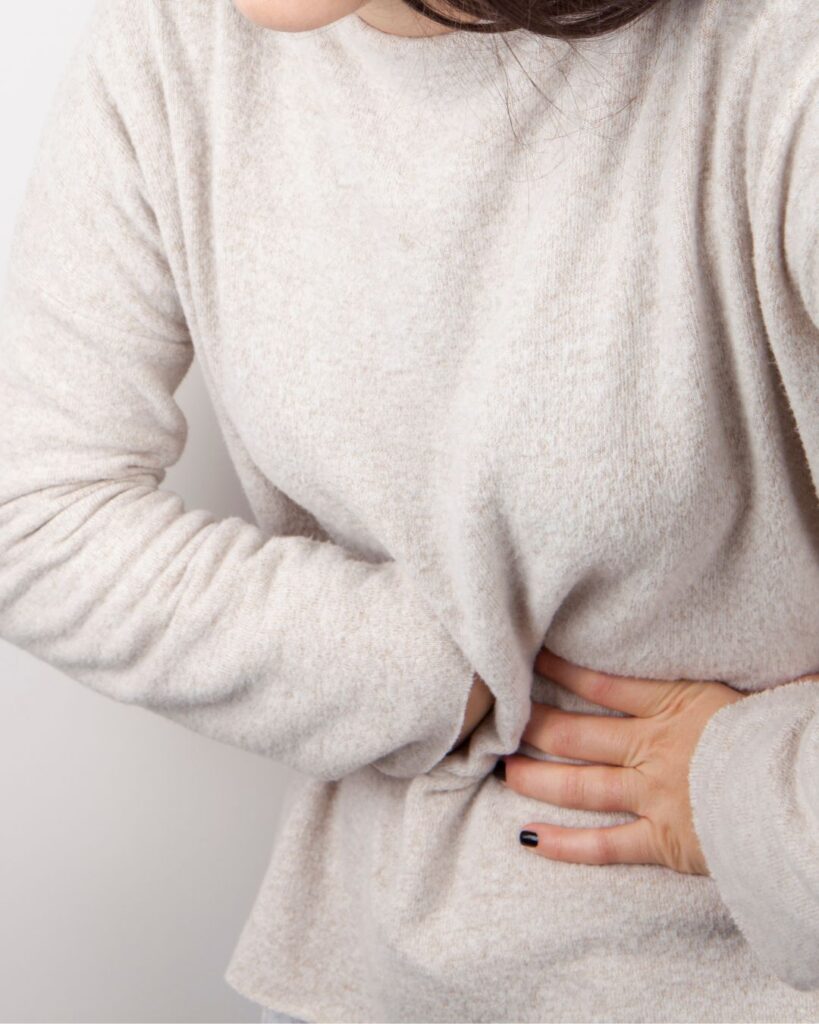
Postmenopausal stomach cramps can feel unsettling, especially when you thought the toughest hormonal shifts were behind you. While cramps are often associated with menstruation, they can still appear after menopause for a variety of reasons. Understanding the root causes helps you make informed choices about your health and daily comfort.
Causes of Postmenopausal Stomach Cramps
- Digestive slowdown
Estrogen plays a role in how efficiently the gut muscles contract. When levels drop after menopause, food can linger longer in the intestines. This slower transit often leads to bloating, gas, and cramping that feels different from the menstrual cramps you may remember. It’s not unusual for women to notice their digestion feels heavier or sluggish at this stage.
- Pelvic floor changes
The pelvic floor muscles provide support for the bladder, uterus, and intestines. After menopause, these muscles may weaken or tighten unevenly, creating pressure in the lower abdomen. That tension can mimic cramping and sometimes radiates into the back or hips.
- Gastrointestinal conditions
Issues like IBS or chronic constipation often become more noticeable after menopause. Hormonal changes can amplify sensitivity in the gut, making cramps sharper or more frequent. If you’ve had mild digestive issues before, they may feel more pronounced now, which is why tracking patterns and triggers is so important.
- Residual gynecological factors
Even though periods have stopped, fibroids, ovarian cysts, or uterine scarring can still cause abdominal pain. These conditions don’t always disappear with menopause, and sometimes they become more symptomatic. That’s why cramps should never be dismissed.
- Inflammation and diet
Highly processed foods, excess sugar, or alcohol can irritate the gut lining. Over time, this irritation creates inflammation that makes cramps sharper and recovery slower.
- Stress and cortisol
Stress hormones tighten abdominal muscles and disrupt digestion. When cortisol stays elevated, cramps become more frequent and harder to manage. Many women notice their stomach discomfort peaks during stressful weeks, which shows just how connected the gut and mind really are.
- Sleep disruption
Poor sleep alters hormone balance and gut function. Without restorative rest, the digestive system struggles to reset, and cramps may appear more often.
How to Ease Postmenopausal Stomach Cramps
Relief often comes from layering small, consistent practices:
- Gentle movement
Activities like walking, stretching, or yoga encourage blood flow and help food move through the digestive tract. Movement also reduces muscle tension in the abdomen, which can ease cramps naturally.
- Hydration and fiber
Drinking enough water keeps digestion smooth, while fiber helps prevent constipation. Together, they reduce the pressure that often leads to cramping. Think of hydration and fiber as daily maintenance – simple but powerful.
- Balanced nutrition
Balanced nutrition is one of the most effective ways to support digestion and hormone balance. My recipes for menopause are designed to reduce bloating and inflammation, stabilize energy, and calm the gut with nutrient-dense ingredients. They’re flavorful and tailored for midlife needs.
- Mindful relaxation
Stress management is essential because the gut responds directly to emotional tension. Breathing exercises, meditation, or journaling can calm the nervous system. To help you explore this, I’m offering a 30-day free guest pass to Calm, where guided practices can support both your digestion and your peace of mind.
- Supportive supplementation
Digestive comfort often depends on how well your gut stays balanced. Probiotic Duo and Digestive Enzyme can help ease bloating, support healthy digestion and immune function, and strengthen your microbiome with proven bacteria strains.
- Professional check-in
If cramps persist or intensify, a healthcare provider can help rule out underlying conditions.
Book Your Free Discovery Call
Managing postmenopausal stomach cramps isn’t just about quick fixes – it’s about understanding the bigger picture of your health. During a free discovery call, I’ll help you identify patterns, share tailored insights, and guide you toward solutions that bring lasting relief.
Let’s Stay Connected Beyond the Blog
Stay connected with practical tips, recipes, and insights tailored for women navigating menopause and beyond. Sign up for my newsletter to get smart strategies and midlife health inspiration delivered straight to your inbox.
FAQs
Are postmenopausal stomach cramps common?
Yes, they can occur for many women due to digestive, muscular, or hormonal changes.
Should cramps after menopause be a red flag?
Not always, but persistent or severe cramps should be checked by a doctor to rule out conditions like fibroids or gastrointestinal disorders.
Do cramps ever fully go away after menopause?
For some women, yes. For others, they may come and go depending on diet, stress, and lifestyle. The goal is to learn how to manage and minimize them effectively.






+ show Comments
- Hide Comments
add a comment