
As a menopause health coach, I’ve seen how menopause cramps catch women off guard. They’re not just ‘period pains lingering’ – they often signal deeper shifts in hormones, digestion, and muscle tension. In this blog, we’ll explore why these cramps happen and the practical steps that bring lasting relief.
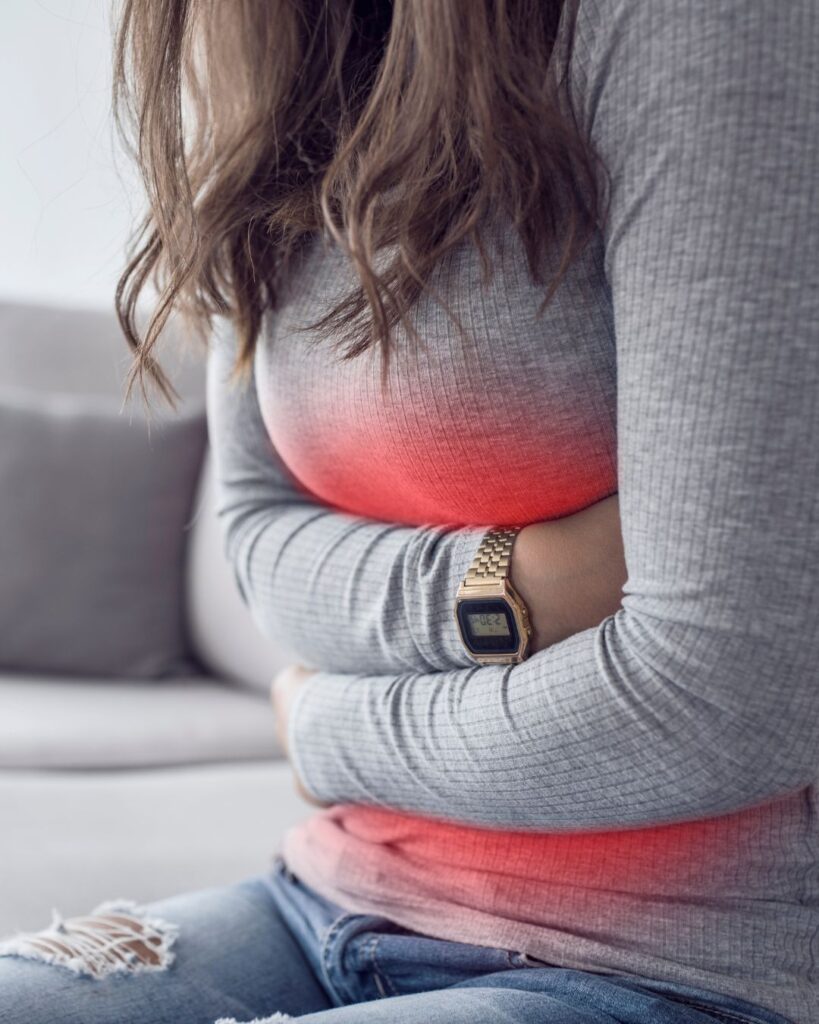
Cramps during menopause can feel unfair. You thought the monthly aches were behind you, yet discomfort shows up again in midlife. These cramps aren’t random, they’re often linked to hormonal ripple effects, digestive changes, or muscle tension. Understanding the causes is the first step toward easing discomfort.
What’s Behind Menopause Cramps?
- Hormonal ripple effects
Even after periods stop, estrogen and progesterone continue to influence muscles and tissues. Fluctuations can trigger uterine contractions or abdominal tightness that feels like cramps.
- Digestive changes
Menopause often slows digestion and alters gut motility. Gas, bloating, or constipation can create cramp-like sensations in the lower abdomen.
- Pelvic floor tension
Years of hormonal shifts, childbirth, or reduced activity can leave pelvic muscles tight. This tension may radiate as cramps or pressure.
- Inflammation sensitivity
Lower estrogen levels can increase inflammatory responses, making minor aches feel sharper and more persistent.
Practical Ways to Relieve Menopause Cramps
- Food that supports comfort
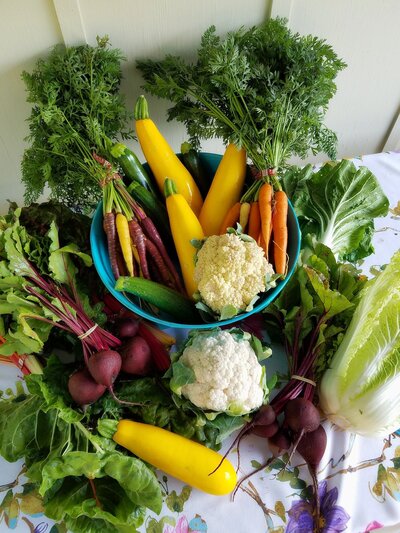
Nutrition can ease cramps by calming inflammation and supporting digestion. Think magnesium-rich foods (leafy greens, nuts, seeds) for muscle relaxation, omega-3s (salmon, flax, chia seeds) for anti-inflammatory support, and fiber (vegetables, legumes, whole grains) to keep digestion moving smoothly.
If you’re looking for practical, nourishing meals, explore my recipes for menopause. Each recipe is designed to be simple, flavorful, and supportive of midlife health.
- Movement that releases tension
Stretching hip flexors, practicing pelvic floor relaxation, or gentle abdominal massage can directly reduce cramp sensations. Activities like swimming or restorative yoga also improve circulation and reduce inflammation.
- Hydration
Water alone helps, but adding mineral-rich options like coconut water or herbal infusions can replenish electrolytes and soothe digestion. Herbal teas, for example, can relax intestinal muscles and reduce bloating that often worsens cramps.
- Sleep that restores
Menopause cramps often feel worse when you’re overtired. Beyond a bedtime routine, consider progressive muscle relaxation to release tension before sleep. Quality rest helps regulate pain perception and hormone balance.
- Professional Check-Ins
Persistent cramps deserve medical attention. A healthcare provider can rule out conditions like fibroids, endometriosis, or digestive disorders, ensuring you’re not overlooking something more serious.
Let’s Talk About Relief That Lasts
If menopause cramps are disrupting your comfort, you don’t have to keep pushing through. I invite you to book a free discovery call with me, where we’ll explore personalized nutrition, movement, and lifestyle strategies that ease cramps, abdominal tension, and restore everyday comfort. Together, we’ll create a plan that helps you feel steady and supported.
FAQs
Are menopause cramps common?
Yes, many women experience them due to hormonal changes, digestive shifts, or muscle tension. They’re often overlooked but very real.
How long do menopause cramps last?
They may appear sporadically during the transition. For many women, cramps ease as hormone levels stabilize postmenopause.
Do supplements help with menopause cramps?
Some plant-based supplements formulated for the menopause transition may provide gentle support. Ingredients such as red clover, soy isoflavones, flaxseed extract, and licorice root extract supply phytoestrogens that interact with estrogen receptors, helping to balance hormones. This balance can ease symptoms like hot flashes and mood swings, and may also reduce muscle tension and abdominal discomfort often described as menopause cramps.
For more details, explore my recommended menopause supplement.





+ show Comments
- Hide Comments
add a comment