


Experiencing postmenopause painful breasts can be unsettling when periods are a thing of the past. As a menopause coach, I find this discomfort is frequently tied to fluctuating hormone levels, sluggish liver detoxification, and internal tissue inflammation. Let us look closer at why this happens and how to find relief.
We often celebrate the end of our periods as the final chapter of hormonal surprises. No more unpredictable schedules, no more cramping, and certainly no more monthly swelling. So when tender or sharp pains show up in your breast tissue years after your final cycle, it can feel completely out of place. It is incredibly common to experience breast discomfort during perimenopause, but dealing with it well into your postmenopausal years can cause immediate confusion.
The Biological Root of Postmenopause Painful Breasts

To understand why discomfort happens now, we have to look at how your hormone landscape changes after your periods stop. Even though your ovaries are no longer releasing eggs, your body does not completely stop producing estrogen.
Instead, your adrenal glands and peripheral fat cells take over the job of generating a milder form of estrogen called estrone. Because your progesterone drops significantly during this phase, even small amounts of circulating estrogen can create an unbuffered ecosystem, leaving your delicate breast tissue reactive.
At the same time, your cellular metabolism and liver efficiency play a vital role in how you feel. When the liver is busy managing daily stress, dietary processing, or environmental toxins, it can slow down its breakdown of circulating hormones.
This allows estrogen metabolites to circulate longer than they should. They target estrogen receptors in the chest wall and mammary tissue, leading to:
- Localized fluid retention
- Tissue swelling
- Physical tenderness and heavy aching
Finally, systemic inflammation serves as a major amplifier for physical discomfort. As we age, our natural defenses against oxidative stress change.
If your regular diet includes higher levels of inflammatory fats, refined sugars, or hidden food sensitivities, your body responds by producing inflammatory prostaglandins. These compounds sensitize localized nerve endings, turning minor tissue congestion into highly noticeable, stubborn throbbing.
Three Functional Steps for Relief
Maximize Liver Support
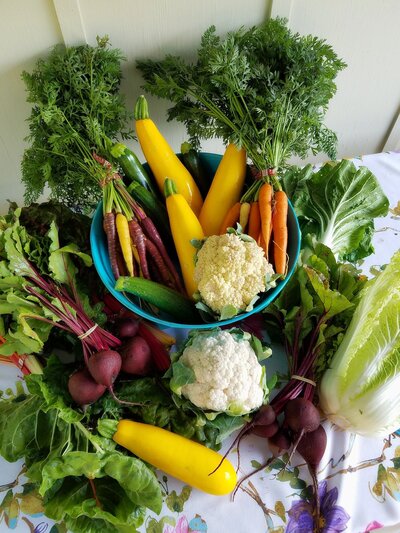
Your liver is the primary filtration system for managing hormone levels. To help it process and package old estrogens for elimination, prioritize cruciferous vegetables like broccoli, Brussels sprouts, cabbage, and kale. These foods contain compounds that support estrogen metabolism and help reduce tissue sensitivity.
Reduce Lymphatic Fluid Retention
Breast tissue is highly sensitive to changes in fluid balance, and high caffeine consumption is a primary trigger for fluid retention in these dense tissues.
Try trading a few cups of coffee or black tea for mineral-rich herbal infusions or water. Ensuring continuous hydration encourages your lymphatic system to drain fully, which minimizes discomfort. Gentle movement and deep breathing can also support lymphatic flow.
Eat Anti-Inflammatory Foods
Focus on increasing your daily intake of clean omega-3 fatty acids such as wild-caught fish, ground flaxseeds, and chia seeds. These healthy fats balance out inflammatory omega-6 oils and help calm tissue hypersensitivity in your body.
If you are looking for a way to incorporate these ingredients into your daily meals, explore my collection of recipes for menopause.
How a Menopause Health Coach Helps
Breast pain is often a sign that your body needs support, not a sign that something is wrong. A menopause health coach helps you understand the root causes, reduce inflammation, stabilize blood sugar, and create a personalized plan that fits your life.
Let us figure out what your body actually needs
If you are tired of guessing which supplements to take or how to properly nourish your body, let’s talk. We can look at your unique health history, current habits, and create a straightforward plan to get your feeling comfortable in your body again.
Book a free call with me below:
Stay Connected with midlife wellness tips
Join my community of midlife women to get helpful thoughts on nutrition, lifestyle, and midlife health sent straight to your inbox.
FAQs
How long does postmenopausal breast soreness usually last?
The duration depends entirely on your metabolic health, lifestyle factors, and liver function. For some women, it occurs in brief patches triggered by periods of high stress or dietary changes. For others, it remains a steady discomfort until they actively address underlying tissue inflammation and fluid retention.
When should I see a doctor about breast pain after menopause?
While general soreness is usually a metabolic or hormonal issue, you should always consult a doctor if you notice a new localized lump, nipple discharge, skin changes, redness, or if the pain is severe and concentrated in one specific spot.
Can high stress levels make my breast tissue hurt?
Absolutely. High chronic stress triggers your adrenal glands to produce excess cortisol. This elevation shifts your broader endocrine balance, alters fluid retention, and depletes progesterone levels, leaving your body more susceptible to breast pain and general physical discomfort.
When lifestyle changes aren’t quite enough to take the edge off, targeted support can make a big difference. I often recommend Stress Relief Supplement designed to help calm the nervous system, manage cortisol spikes, and support your body through these intense shifts.
Hi, I’m Lora – Here’s How I Help Women Thrive in Midlife

If We Haven’t Met Yet
Hi! I’m Lora, a Certified Holistic Nutritionist, Metabolism Specialist, and Menopause Health Coach specializing in midlife metabolism.
I support women struggling with menopausal weight gain, unpredictable energy, and frustrating symptoms with practical tools, hormone-friendly nutrition, and lifestyle shifts that support sustainable results.




+ show Comments
- Hide Comments
add a comment