As a menopause health coach, I focus on helping midlife women find relief through lifestyle shifts that respect their body’s changing chemistry. This guide looks at why an itchy vulva occurs in menopause and offers natural, practical solutions to restore comfort.
The transition through perimenopause and menopause brings many changes, but the persistent, stinging irritation in your most sensitive areas is often the one people feel most awkward discussing. If you are dealing with a menopause itchy vulva, you likely want to know why this is happening and how to stop it without relying on harsh chemicals or messy ointments.
Why Does the Itch Happen Now?
The primary driver behind a menopause itchy vulva is the significant drop in estrogen. Estrogen is responsible for keeping the skin throughout your body hydrated and elastic. When levels dip, the tissues of the vulva and vagina become thinner and lose their natural moisture. This condition, often called vaginal atrophy or the genitourinary syndrome of menopause (GSM), makes the area much more sensitive to friction, heat, and even the fabrics you wear.
Holistic Ways to Find Relief
Finding comfort is about looking at your daily habits and your internal environment. Since the skin is more delicate now, small changes can make a massive difference in managing an itchy vulva.
- Switch to breathable fabrics
Synthetic lace or tight leggings trap heat and moisture, which can aggravate the skin. Opting for 100% cotton underwear allows the skin to breathe and reduces the prickly sensation.
- Audit your laundry room
Your vulvar skin is thinner than it used to be. Fragrances and dyes in standard detergents can trigger an immediate flare-up. Switch to a “free and clear” version to see if the irritation subsides.
- Prioritize anti-inflammatory nutrition
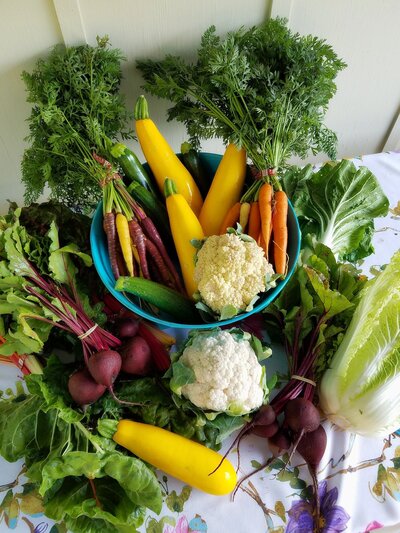
What you eat supports skin hydration at a cellular level. Focus on healthy fats and phytoestrogen-rich ingredients like flaxseeds to help maintain tissue elasticity. You can find specific meals in my collection of recipes for menopause to support hormonal balance and skin health.
- Manage localized heat
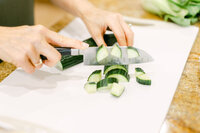
In holistic wellness, certain foods like cucumber, celery, and leafy greens are considered cooling for the body. Adding these to your diet may help reduce the systemic heat that often accompanies a menopause itchy vulva.
- Gentle hygiene habits
Avoid over-washing or using harsh soaps. Even feminine washes often contain alcohols or scents that strip the few natural oils your body is still producing. Plain, lukewarm water is usually all that is needed for the vulvar area.
The Connection Between Face and Body
It is interesting to note that the same loss of collagen and moisture you might see on your face is happening to your vulvar tissues. While you might use high-quality serums for your complexion, the sensitive skin of the vulva requires even gentler care. If you want to dive deeper into the science of these changes, you can read more about asking the right questions about menopause tests to see where your hormone levels actually stand.
Let’s Stay Connected
I send out a weekly newsletter filled with holistic tips on managing menopause symptoms, hormone-balancing nutrition, and simple lifestyle shifts that help you feel like yourself again.
Book a Free Discovery Call
If you want to stop the guesswork and get to the root of your symptoms, let’s talk. I offer a free 15-minute discovery call to discuss your health goals and see how a personalized holistic plan can help you find lasting relief. Grab a spot on my calendar below:
FAQs
Is an itchy vulva in menopause normal?
Yes, it is a very common symptom caused by low estrogen levels. While common, it is not something you have to live with indefinitely.
Can diet help with itching?
Absolutely. Focusing on anti-inflammatory foods and healthy fats can improve skin hydration and reduce the severity of the itch from a systemic level.
What should I avoid if I have an itchy vulva?
Avoid scented soaps, douches, and flavored lubricants. These can disrupt your pH balance and worsen the thinning of the tissue.
Hi, I’m Lora – Here’s How I Help Women Thrive in Midlife

If We Haven’t Met Yet
Hi! I’m Lora, a Certified Holistic Nutritionist, Metabolism Specialist, and Menopause Health Coach specializing in midlife metabolism.
I support women struggling with menopausal weight gain, unpredictable energy, and frustrating symptoms with practical tools, hormone-friendly nutrition, and lifestyle shifts that support sustainable results.






+ show Comments
- Hide Comments
add a comment