
The transition into midlife brings a lot of changes, and one of the most common questions I hear as a menopause health coach is whether fertility is still on the table. While your cycle might be changing, the biological reality of whether you can get pregnant during perimenopause isn’t as straightforward as a simple yes or no.
Understanding how your “second puberty” affects ovulation is the first step in regaining control over your body and your future plans.
The Reality of Perimenopause and Fertility
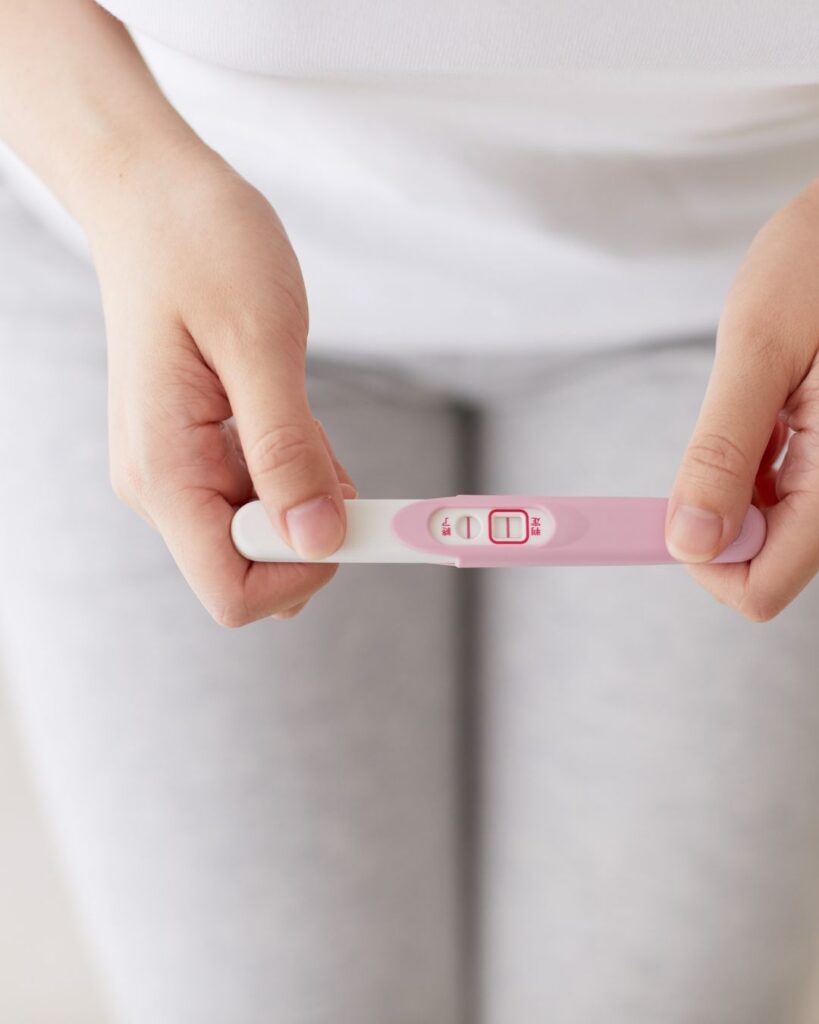
If you are currently searching for the answer, you are likely noticing that your body isn’t following the old rules anymore. Perimenopause is the phase leading up to menopause where your hormones begin a slow, sometimes chaotic, shift.
During this time, your ovaries don’t just shut down all at once. Instead, they start acting like a flickering lightbulb. Some months the “light” is on and you ovulate normally; other months, it stays dark. Because ovulation is what allows for conception, as long as that light is still flickering, the possibility remains.
Why the Confusion Happens
Many people find themselves asking if they can get pregnant during perimenopause because the symptoms of a shifting hormonal control panel often look exactly like early pregnancy. It is easy to see why things get confusing when you experience:
- Periods that arrive late or skip a month
- Unexplained fatigue or morning brain fog
- Breast tenderness
- Sudden mood shifts
When these signs show up, it is natural to wonder which phase of life you are actually in. However, while conception is still possible, the biological odds do shift. After age 40, the number and quality of eggs decrease, and the hormonal signals between your brain and ovaries can get a bit noisy, making timing challenging.
Tracking Your Changing “Control Panel”
The best way to navigate this uncertainty is to stop the guessing game. If your goal is to avoid a surprise, you should continue using reliable protection until you have reached the official menopause mark: 12 consecutive months without a period.
On the other hand, if you are hoping for a late-stage pregnancy, you have to realize that your fertile window is no longer on a set schedule. Tracking your unique hormonal patterns becomes your most powerful tool. When you know which hormones are driving your symptoms, you can stop reacting to the changes and start managing them.
Stop the Guessing Game
Is your body feeling unpredictable lately? It is hard to know what is actually going on when your periods start playing hide-and-seek. I created a practical tool to help you make sense of these shifts.
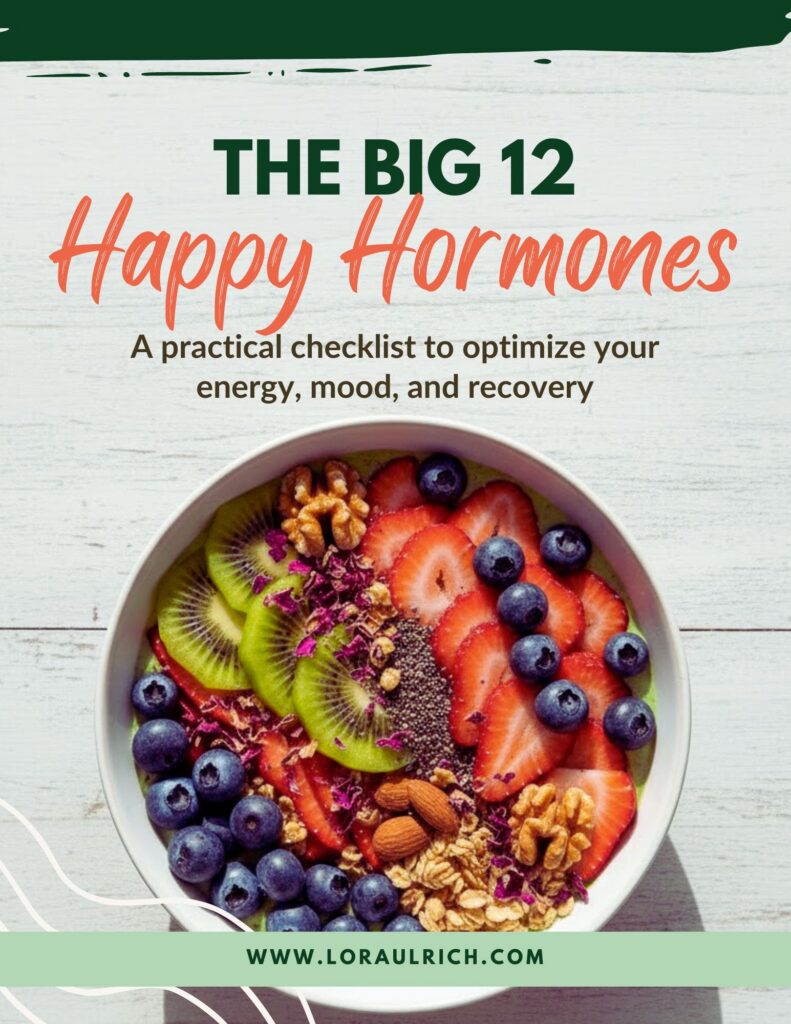
The Big 12 Happy Hormones Checklist
This free guide helps you spot the patterns behind your energy and mood. Instead of wondering if every symptom is s sign of pregnancy or just a hot flash, you can look at your body’s “control panel” and take simple steps to feel like yourself again.
FAQs
How do I know if I am still ovulating?
Since cycles become irregular, traditional calendar apps often fail. You might look for physical signs like changes in cervical mucus or use a basal body temperature thermometer to see if your body is still releasing eggs.
Can a pregnancy test work during perimenopause?
Yes. A pregnancy test looks for the hormone hCG, which only appears if you are pregnant. While your other hormones like FSH may be elevated during perimenopause, they will not cause a false positive on a pregnancy test.
When is it officially impossible to get pregnant?
You are considered to be in menopause once you have gone 12 full months without a period. At that point, your ovaries have stopped releasing eggs, and natural conception is no longer possible.
Hi, I’m Lora – Here’s How I Help Women Thrive in Midlife

If We Haven’t Met Yet
Hi! I’m Lora, a Certified Holistic Nutritionist, Metabolism Specialist, and Menopause Health Coach specializing in midlife metabolism.
I support women struggling with menopausal weight gain, unpredictable energy, and frustrating symptoms with practical tools, hormone-friendly nutrition, and lifestyle shifts that support sustainable results.







+ show Comments
- Hide Comments
add a comment