
If you are currently navigating the physical and emotional shifts of midlife, you might be overwhelmed by the conflicting advice on which menopause tests to request. As a menopause health coach, I help women cut through the confusion by identifying the exact markers that align with their unique health history. This guide explains why the right strategy matters and how you can prepare for your next doctor’s visit with confidence.
The Mystery of the “Standard” Panel
It starts with a feeling that things are shifting. Maybe your sleep is disrupted, your joints are starting to ache, or those sudden hot flashes are making it hard to focus. Your first instinct is likely to call your doctor and ask for menopause tests.
The challenge is that menopause is not a single data point. It’s a transition. If you walk into a clinic and ask for a basic hormone check, you might receive a generic result that doesn’t actually reflect how you feel with your body.
When you look for menopause lab tests, you are looking for a roadmap. But a map is only useful if it is designed for your specific journey. Your health history, lifestyle, and current symptoms dictate which markers are actually worth testing.
Understanding the Options: What Your Doctor Might Check
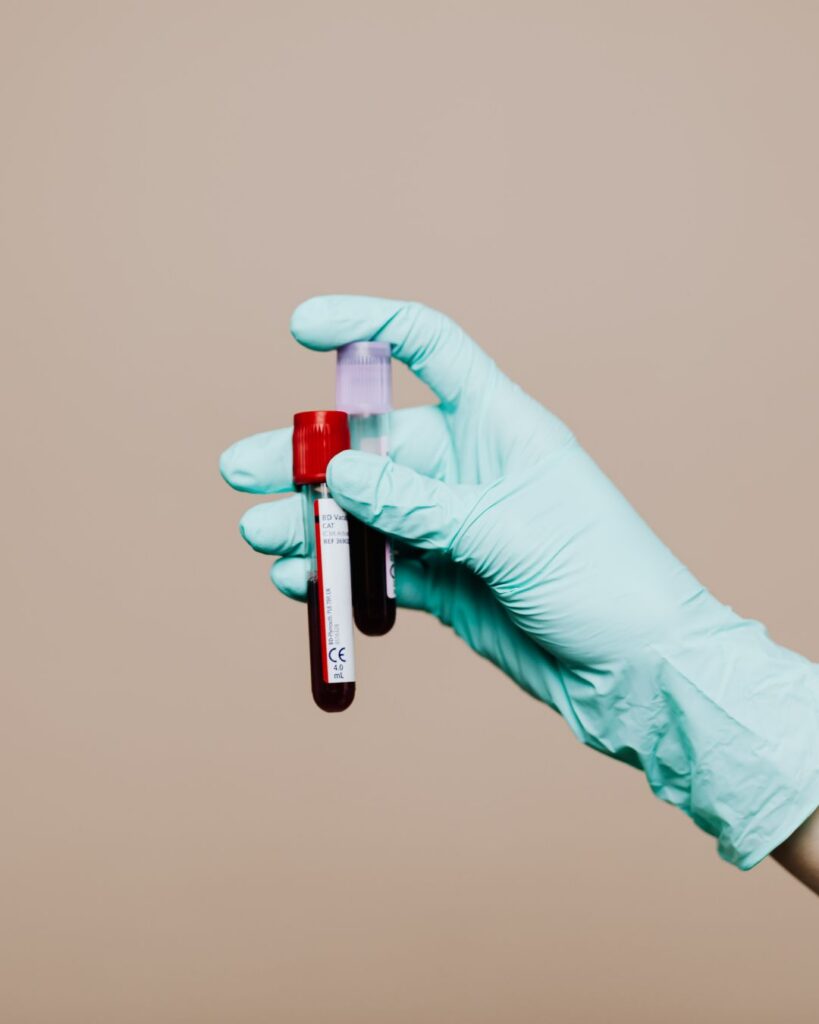
When we talk about menopause tests, there are several standard markers that doctors often look at. However the right list is never a one-size-fits-all solution. Depending on whether you are dealing with persistent fatigue, sudden weight changes, or those frustrating joint aches, your menopause lab tests may include:
- FSH and Estradiol: Commonly measured to help gauge the menopause transition, though they are most effective when interpreted alongside clinical symptoms.
- Thyroid Panel: A comprehensive blood test that measures TSH, Free T4, Free T3, reverse T3, and thyroid antibodies (TPO/TgAb) to evaluate thyroid function and detect autoimmune disorders.
- Metabolic Markers: Such as insulin or blood sugar, which can shift during midlife.
While these are common, simply ticking every box on a lab slip isn’t the goal. The goal is to identify which menopause tests will give us the data needed to help you feel better.
Why a Targeted Approach Changes Everything
Many women spend years feeling off because they are looking at the wrong data. Perhaps they had an FSH test that came back normal, yet they still feel the effects of midlife transition every day.
The goal is to move past the surface. By understanding which specific menopause tests are relevant to your body, you can have a much more productive conversation with your healthcare provider. Instead of a one-size-fits-all list, the focus should be on:
- Identifying specific markers that explain your unique symptoms.
- Saving time and money by avoiding unnecessary labs.
- Gaining the clarity needed to create a real plan for your health.
The right menopause lab tests provide the evidence you need to advocate for yourself. When you know exactly what to ask for, you stop being a passive patient and start being an active lead in your own wellness.
Book a Free Call to Identify Your Next Steps
If you are tired of looking at a long list of lab options and wondering which ones actually apply to you, you do not have to figure this out by yourself.
As a menopause health coach, I help my midlife women bridge the gap between feeling confused and having a concrete strategy. On your free 15-minute discovery call, we can discuss your history and pinpoint exactly which menopause tests you should prioritize.
FAQs
Is there a specific age to start getting menopause tests?
There is no “magic number” for age. If you are in your late 30s or early 40s and notice changes in your body, mood, or energy, it is the right time to look at menopause lab tests. Identifying your baseline early makes it much easier to track shifts as they happen.
Which menopause tests are the most common?
While many people start with FSH (Follicle-Stimulating Hormone) or Estradiol, these are just the beginning. The most effective menopause lab tests are those chosen based on your specific symptoms, whether that involved metabolic health, thyroid function, or nutrient levels.
Why did my doctor say my tests are normal when I feel terrible?
“Normal” is a broad range. A test might show that how you are within a standard clinical range, but it might not be the optimal range for your body. This is why looking at your health history alongside your menopause lab tests is so important for finding real relief.
Can menopause tests tell me exactly when I will hit menopause?
Not exactly. While menopause tests provide a snapshot of your hormone production, they cannot predict a specific date. Menopause is officially confirmed after 12 consecutive months without a period, but testing helps manage the symptoms that happen in the years leading up to that point.
Hi, I’m Lora – Here’s How I Help Women Thrive in Midlife

If We Haven’t Met Yet
Hi! I’m Lora, a Certified Holistic Nutritionist, Metabolism Specialist, and Menopause Health Coach specializing in midlife metabolism.
I support women struggling with menopausal weight gain, unpredictable energy, and frustrating symptoms with practical tools, hormone-friendly nutrition, and lifestyle shifts that support sustainable results.







+ show Comments
- Hide Comments
add a comment