
As a menopause health coach, I often hear women ask why joints ache in perimenopause more than ever before. In this post, I’ll explain the hormonal shifts behind joint discomfort, explore how lifestyle factors play a role, and share practical strategies to ease pain and protect your mobility in midlife.
If you’ve noticed your knees, hips, or shoulders feeling stiffer than they used to, you’re not imagining it. When perimenopause joints ache, the reasons often go beyond simple aging. Hormonal fluctuations, inflammation, and lifestyle shifts all combine to make midlife a time when joint discomfort becomes more common. The good news? There are proven ways to ease the pain and support your body through this transition.
Why Perimenopause Joints Ache
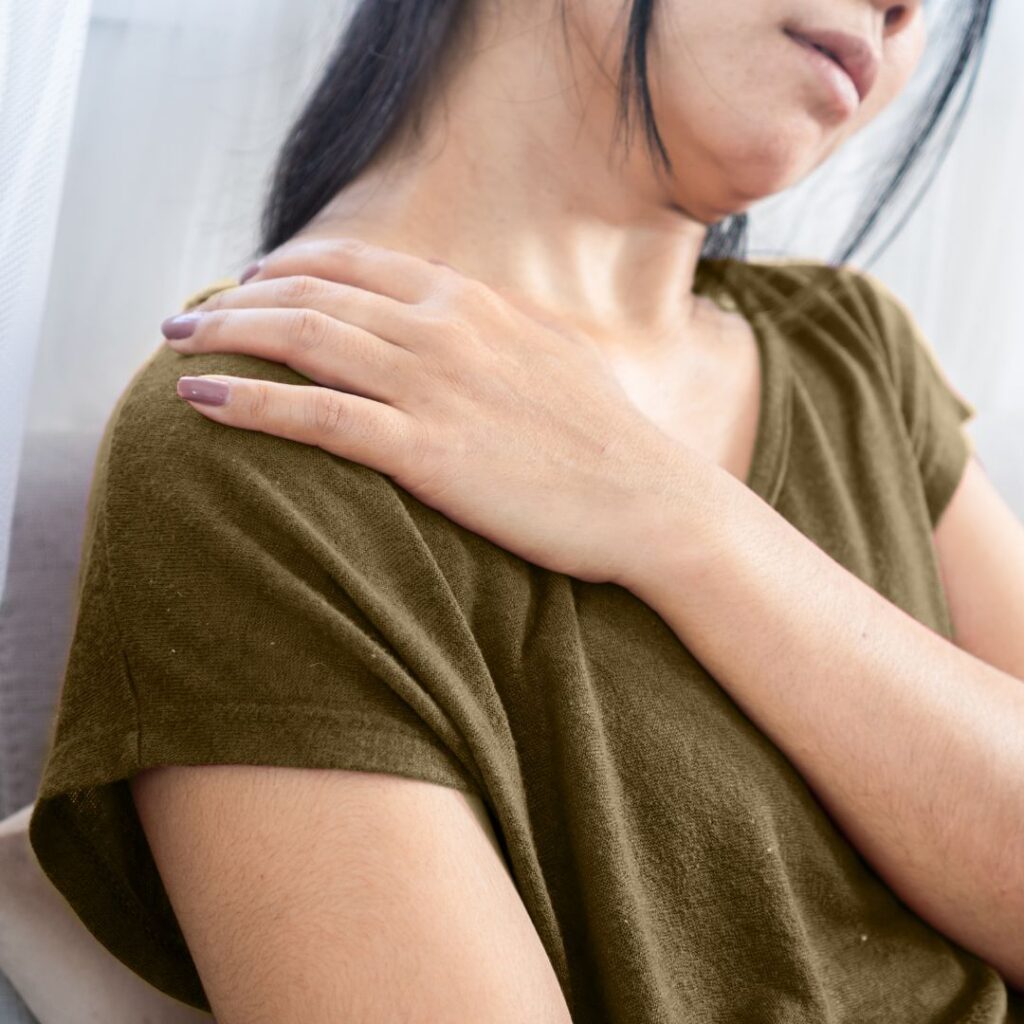
Estrogen plays a protective role in joint health, helping reduce inflammation and keeping connecting tissues resilient. As estrogen levels decline in perimenopause, inflammation can rise, making joints more sensitive to stress. Progesterone also supports tissue repair, so when it fluctuates, your body’s natural recovery slows down.
Beyond hormones, other factors add fuel to the fire. Muscle mass naturally decreases in midlife, leaving joints less supported and more prone to wear. Stress hormones like cortisol can heighten inflammation, while poor sleep slows recovery. Even subtle changes in posture or reduced physical activity can make joints feel stiff and achy.
Together, these shifts explain why joints ache during perimenopause feel persistent, even in women who were previously pain-free.
Supportive Strategies to Ease Joint Pain
- Nourish with anti-inflammatory foods
Diet is one of the most powerful tools for managing inflammation. Foods rich in omega-3s, antioxidants, and lean protein can calm the body’s inflammatory response and support joint repair. Salmon, walnuts, leafy greens, and berries are excellent staples. Building meals around these foods helps your joints feel less achy and more supported.
For inspiration, explore my collection of recipes for menopause, crafted to nourish your hormones and keeps your joints mobile in midlife.
- Strengthen muscles to protect joints
Muscle acts like a cushion for your joints. Strength training not only improves mobility but also enhances insulin sensitivity, which often declines in perimenopause. Even short, consistent sessions with weights or resistance bands can reduce pain and improve stability. Protecting your joints with stronger muscles means less strain and more freedom of movement.
- Manage stress hormones
Elevated cortisol can worsen inflammation and sensitive you to joint pain. Mindfulness, breathing exercises, and yoga can lower cortisol and ease physical tension. To make stress relief more accessible, I’m offering a 30-day free guest pass to Calm, a guided meditation and relaxation app that helps you unwind, sleep better, and reduce daily stress.
Magnesium for Joint Support
Magnesium is often overlooked, yet it plays a crucial role in bone health, muscle relaxation, and reducing inflammation. Many women in perimenopause are low in this essential mineral, which can worsen stiffness and pain. Optimizing your magnesium intake can ease tension, support recovery, and help joints feel more resilient.
Support Your Foundation with Magnecal D
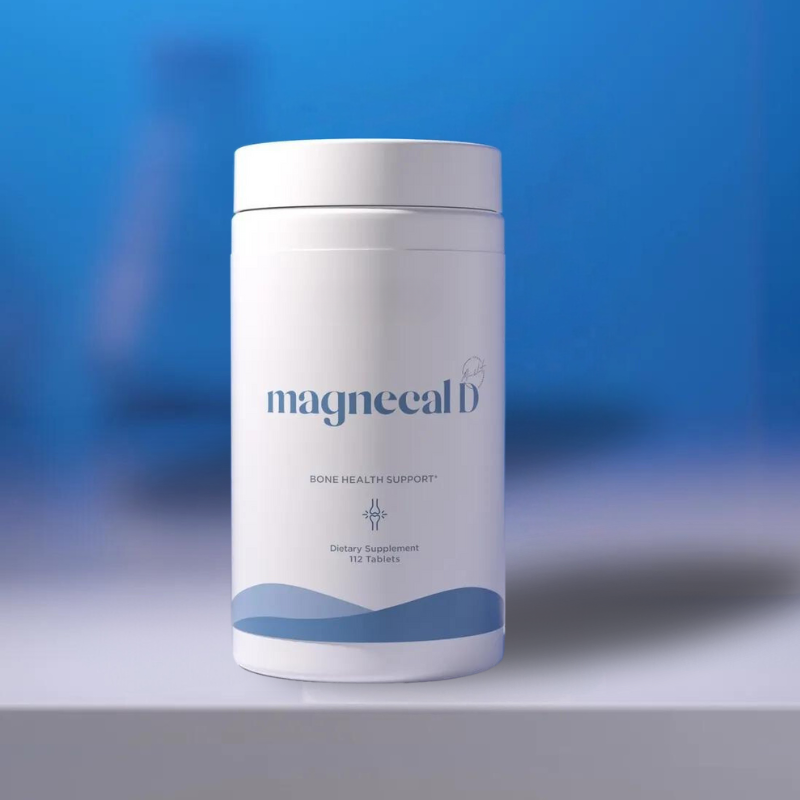
To truly protect your mobility, you need a high-quality blend of Magnesium, Calcium, and Vitamin D. Magnecal D is a professional-grade supplement designed to support bone density, promote healthy muscle function, and soothe inflammation.
Book a Free Discovery Call
Joint pain in perimenopause can feel discouraging, but you don’t have to figure it out alone. During your free discovery call, we’ll talk about your specific symptoms and create a roadmap for relief that fits your lifestyle.
Stay Connected for Midlife Wellness
Want ongoing support and science-backed tips delivered straight to your inbox? Join my newsletter for weekly insights on hormone balance, metabolism, and thriving through midlife.
FAQs
Why do joints aches in perimenopause?
Hormonal changes, especially declining estrogen, increase inflammation and reduce tissue resilience. This makes joints more sensitive and slower to recover.
Can exercise help with joint pain?
Yes. Gentle strength training and mobility work protect joints, improve circulation, and reduce pain over time. Avoiding movement often makes discomfort worse.
When should I seek professional help?
If joint pain is severe, persistent, or limiting daily activities, consult a healthcare provider.
Hi, I’m Lora – Here’s How I Help Women Thrive in Midlife

If We Haven’t Met Yet
Hi! I’m Lora, a Certified Holistic Nutritionist, Metabolism Specialist, and Menopause Health Coach specializing in midlife metabolism.
I support women struggling with menopausal weight gain, unpredictable energy, and frustrating symptoms with practical tools, hormone-friendly nutrition, and lifestyle shifts that support sustainable results.







+ show Comments
- Hide Comments
add a comment