
As a certified holistic nutritionist and menopause health coach, I often see women struggling with the “one-size-fits-all” approach of the menopause keto diet. In this post, I’ll break down common myths, highlight the role of insulin sensitivity, and share practical strategies for finding a balanced, sustainable path that honors your midlife health goals.
When we talk about nutrition during midlife, we have to look at the bigger picture. Hormones change, metabolism slows, insulin sensitivity becomes more complex, and what worked in your 30s may not support your body now. The question is: does the menopause keto diet deliver results, or is it time to rethink the rules?
Myth #1: Keto Works the Same at Any Age
Keto is often marketed as a universal solution, but menopause changes the rules. Declining estrogen and progesterone shift how your body stores fat and regulates blood sugar. Cortisol levels may rise more easily, which can blunt fat loss even if carbs are low. At this stage, your body needs nutrient density and hormonal support, not just caloric restriction.
For example, a woman in her 20s might thrive on strict keto, but in menopause, the same approach can lead to fatigue, sleep disruption, or stalled progress. The difference lies in hormone-driven metabolism.
Myth #2: Carbs are always the enemy
The “cut all carbs” mantra is one of the biggest misconceptions. In menopause, insulin sensitivity often declines, meaning your body doesn’t handle blood sugar as efficiently. Completely eliminating carbs can stress your adrenals, worsen cravings, mood swings, and even impair thyroid function. Instead of banning an entire food group, focus on high-quality, fiber-rich carbohydrates that provide steady energy and support hormone balance.
Myth #3: Keto guarantees fat loss
Many women turn to keto hoping it will melt away stubborn belly fat. But midlife body composition is influenced by more than diet – it’s tied to hormone shifts, insulin sensitivity, cortisol, sleep quality, and thyroid health. Keto alone won’t override these factors.
What works is a holistic approach: adequate protein to preserve muscle, stress reduction to lower cortisol, and strength training. Without lifestyle support, results will be limited.
Myth #4: Keto is sustainable long-term
Strict keto often feels restrictive, especially in midlife when energy and flexibility matter most. Many women find themselves cycling between strict keto and carb binges, which undermines progress. Sustainability is about balance.
If You’re Exploring Keto in Menopause, Here’s What Matters
- Prioritize Protein
Protein is essential for preserving lean muscle, which naturally declines in menopause. Adequate protein intake boosts metabolism, supports satiety, and helps regulate insulin sensitivity. Focus on high-quality sources that feel good to your body.
- Support Insulin Sensitivity
Menopause often reduces insulin sensitivity, making blood sugar harder to control. Pairing low-glycemic carbs with protein and fiber, managing stress, and incorporating strength training can improve insulin response. For inspiration, explore my collection of recipes for menopause, designed to support metabolism, hormone balance, and keep meals enjoyable.
- Gut Health Matters
A healthy gut supports hormone metabolism and reduces inflammation. Include fermented foods, fiber, and diverse plant-based options to keep digestion strong and cravings in check.
- Stress and Recovery
Elevated cortisol can block fat loss. Incorporating mindfulness, restorative sleep, and gentle movement alongside keto helps balance hormones and improve overall results. I recommend Stress Relief Supplement for targeted support for calming the nervous system and easing hormonal stress.
Book a Free Discovery Call
The menopause keto diet is just one lens to view nutrition through, but it rarely tells the whole story. If you’re tired of guessing, let’s make it personal. Book a free discovery call with me, and we’ll talk through your challenges, your goals, and the sustainable, science-backed steps that fit your unique body.
It’s time to move past restrictive trends and find a way of eating that actually supports your life.
Menopause Resource
Want practical steps you can start right away? Download my free Menopause Weight Loss Tips guide. This menopause resource is designed to help you understand your body’s changing needs and take action today. It is packed with gentle, effective strategies that support your metabolism and hormone balance.
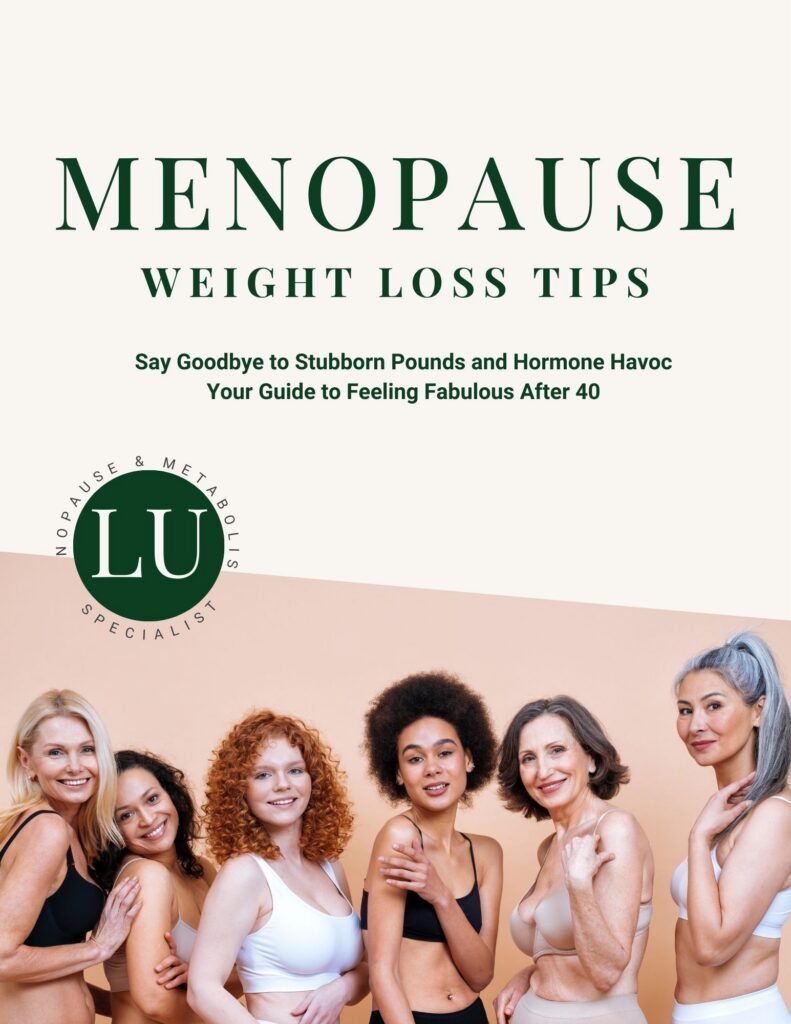
Menopause Weight Loss Tips
Say goodbye to stubborn pounds and hormone havoc
FAQs
Do I have to follow keto to lose weight in menopause?
Not at all. Keto is just one of many tools, but is certainly not required. Weight management in menopause depends on many holistic factors, including insulin sensitivity, protein intake, restorative sleep, stress management, among others. Many of my clients thrive by focusing on balanced, nutrient-dense eating rather than restrictive protocols.
Why does insulin sensitivity matter in menopause?
Declining estrogen can reduce insulin sensitivity, making blood sugar harder to regulate. This is why some women struggle with cravings or belly fat. Nutrition and lifestyle strategies can improve insulin response, whether or not you follow keto.
What if I try keto and it doesn’t work?
That’s common, and it’s not a sign of failure. Menopause changes how your body responds to extreme protocols. If a specific diet feels restrictive, draining, or ineffective, it means your body is asking for a different approach. A personalized, flexible plan that listens to your body’s cues almost always outperforms a one-size-fits-all diet.
How do I know if keto is right for me?
The best way is to evaluate your unique health history, lifestyle, and goals. During your free discovery call, we will sort through the noise and identify the specific adjustments (not just fad diets) that actually move the needle for your midlife health.
Hi, I’m Lora – Here’s How I Help Women Thrive in Midlife

If We Haven’t Met Yet
Hi! I’m Lora, a Certified Holistic Nutritionist, Metabolism Specialist, and Menopause Health Coach specializing in midlife metabolism.
I support women struggling with menopausal weight gain, unpredictable energy, and frustrating symptoms with practical tools, hormone-friendly nutrition, and lifestyle shifts that support sustainable results.







+ show Comments
- Hide Comments
add a comment