
As a menopause health coach, I often guide women through unexpected midlife symptoms like shoulder pain. This discomfort isn’t random; it’s deeply tied to hormonal shifts, inflammation, and lifestyle triggers. In this blog, I’ll share practical strategies, nutrition insights, and targeted relief options to help you move with comfort and ease again.
Why Shoulder Pain Appears in Perimenopause
Perimenopause shoulder pain often develops as estrogen levels begin to fluctuate, impacting joint lubrication and muscle elasticity. These changes can make everyday moments like lifting, reaching, or even sleeping more uncomfortable than before. Combined with stress, posture shifts, and sleep disruption, shoulder pain can become a persistent reminder of this hormonal transition.
The Hormone Connection
Estrogen plays a protective role in joint and tendon health. When levels decline, inflammation can rise, leaving shoulders more vulnerable to stiffness and strain. It is important to remember that shoulder pain in perimenopause is not just about aging, it’s a direct reflection of how your body is adapting to hormonal changes. Supporting your joints through nutrition, movement, and stress management can help restore balance.
Lifestyle Triggers You Might Overlook
- Posture and desk habits
Hours spent at a computer can tighten chest muscles and strain shoulders. Adjusting your workspace ergonomics and adding quick posture resets throughout the day can ease tension and prevent worsening pain.
- Sleep positions
Side sleeping without proper pillow support often aggravates shoulder discomfort. Experimenting with pillow height or switching positions can reduce strain and improve rest quality.
- Exercise choices
High-intensity workouts without proper warm-ups can worsen perimenopause shoulder pain. Choosing strength training with controlled movements builds resilience while protecting joints from irritation.
Natural Relief Strategies
- Targeted movement
Gentle yoga flows, resistance band exercises, and posture resets can restore mobility. These aren’t just workouts, they’re restorative tools that help your body adapt to hormonal changes.
- Anti-inflammatory foods
Omega-3s rich meals, colorful vegetables, and spices like turmeric support joint health from the inside out. For inspiration, explore my recipes for menopause, where every dish is designed to be both delicious and supportive of your midlife health goals.
- Stress reduction
Shoulder tension often reflects an emotional load. Breathing practices, meditation, or even short walks can release physical and mental tightness.
Magnesium: Your Midlife Muscle Ally
Perimenopause shoulder pain often feels like a constant weight, but magnesium can help lighten the load. This essential mineral supports muscle relaxation, reduces inflammation, and strengthens bone health, all of which are critical during hormonal transition. When estrogen levels fluctuate, your body’s ability to absorb and use magnesium can decline, leaving muscles tighter, sleep more restless, and recovery slower.
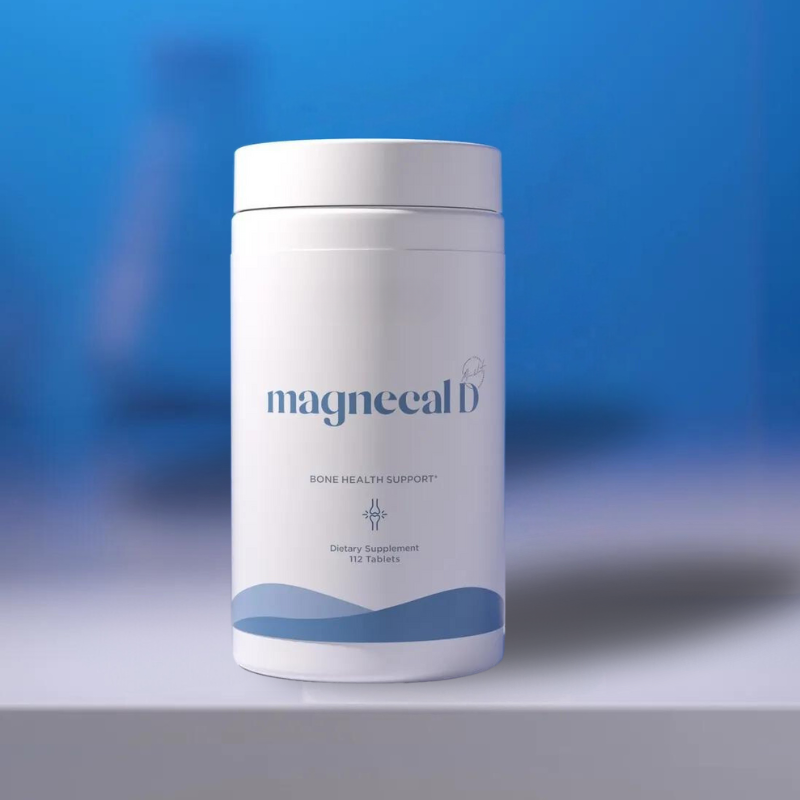
Magnecal D
Magnesium is often known as the ‘miracle mineral’ because of its remarkable ability to support bone health, alleviate muscle cramps, improve sleep quality, and reduce stress.
That’s why I recommend MagneCal D. It’s designed to be absorbed efficiently, so your body actually benefits from the magnesium and calcium inside. Women who use it often share that their shoulders feel less tense, sleep feels more restorative, and their energy is steadier throughout the day. For anyone navigating perimenopause shoulder pain, MagneCal D offers practical support for muscles, bones, and overall resilience.
Book a Free Discovery Call
Dealing with shoulder pain on top of everything else in midlife is exhausting. If you want a clear plan to manage these symptoms through nutrition and lifestyle shifts, I’m here to help. Let’s hop on a free discovery call. We’ll talk about your symptoms and see if a personalized plan is the right fit for you.
Stay in the Loop
Don’t navigate perimenopause alone. Join my community to receive weekly tips on hormonal health, hormone-friendly recipes, and midlife insights delivered straight to your inbox.
FAQs
How long does this discomfort usually last?
There isn’t a one-size-fits-all answer. For some, it flares up during a hormonal dip and settles down. For others, it can linger. The goal of supplements like MagneCal D and targeted nutrition is to give your body the tools it needs to dampen the inflammation.
Why does my shoulder seem to hurt more at night?
It’s a common frustration. When estrogen levels drop, joint tissues can lose their flexibility and resilience, making them more prone to inflammation. When you lie down, gravity and certain positions can compress those sensitive areas.
Should I stop exercising if my shoulder hurts?
Not necessarily, but you might need to shift how you move. Complete rest can make stiffness worse, especially with the risk of frozen shoulder. Focusing on mobility and low-impact strength training helps keep the joint lubricated. The goal is to move within a safe range that doesn’t increase inflammation.
When should I see a doctor about my shoulder pain?
While nutritional and lifestyle shifts can do wonders for hormonal aches, it’s important to listen to your body’s “red flags.” If you experience sharp, shooting pain, a total loss of range of motion, or if the pain is accompanied by redness and swelling, consult a healthcare professional. It’s always best to rule out structural injuries so we can ensure your holistic plan is safe and effective.
Hi, I’m Lora! Here’s How I Help Women Thrive in Midlife

If We Haven’t Met Yet
Hi! I’m Lora, a Certified Holistic Nutritionist, Metabolism Specialist, and Menopause Health Coach specializing in midlife metabolism.
I support women struggling with menopausal weight gain, unpredictable energy, and frustrating symptoms with practical tools, hormone-friendly nutrition, and lifestyle shifts that support sustainable results.







+ show Comments
- Hide Comments
add a comment