
As a menopause health coach, I often hear women ask why their bodies feel achier than ever during midlife. Menopause body aches can show up in surprising ways, from stiff joints to muscle fatigue, and they’re more than just “getting older.” In this blog, we’ll explore what’s happening inside your body and how you can find relief.
Menopause is a season of change, and one of the most common complaints is the rise of body aches. These aren’t random; they’re tied to the hormonal shifts that influence inflammation, muscle recovery, and even how your nervous system processes pain.
The Science Behind the Soreness
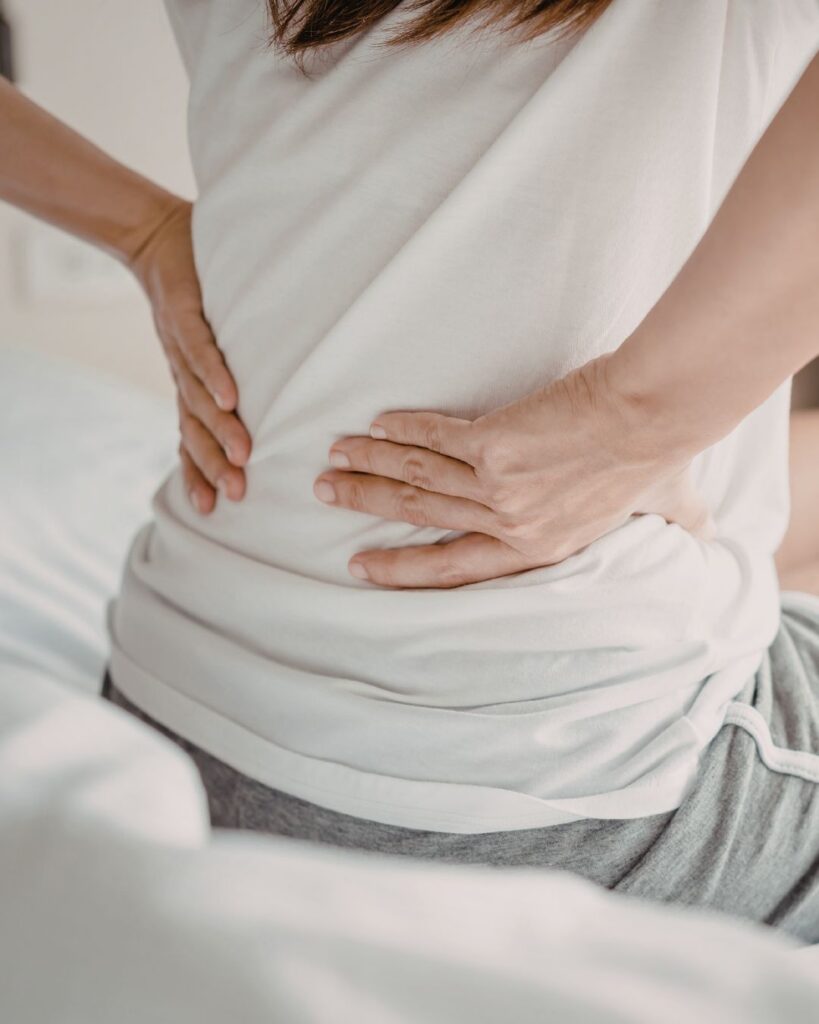
Menopause body aches are not simply “wear and tear.” They’re the result of complex hormonal shifts that ripple through multiple systems in the body.
- Estrogen’s protective role
Estrogen helps maintain cartilage elasticity, supports collagen production, and keeps inflammation in check. When levels decline, joints lose some of their natural lubrication and cushioning, making movements like climbing stairs or bending down feel more taxing. This is why aches often appear in places like the knees, hips, and shoulders.
- Progesterone and muscle tension
Progesterone influences how muscles relax and recover. Fluctuations can lead to increased tightness or spasms, which explains why muscles may feel fatigued even after light activity.
- Sleep and serotonin connection
Estrogen also affects serotonin, the neurotransmitter tied to mood and sleep quality. When sleep becomes fragmented, the body’s pain threshold drops, making physical aches feel sharper. Poor rest also slows tissue repair, compounding the discomfort.
- Stress and cortisol spikes
Cortisol, the stress hormone, rises more easily during midlife transitions. Elevated cortisol fuels inflammation, which intensifies body aches in menopause. This is why stress management isn’t just emotional; it directly impacts physical pain.
- Bone and metabolic changes
Declining estrogen reduces bone density, while metabolic shifts can lead to weight gain. Extra pressure on joints magnifies aches, and weaker bones make the body more vulnerable to strain.
These changes are layered, systemic, and deeply tied to hormonal rhythms.
Practical Relief Strategies
- Gentle movement
Think of movement as lubrication for your joints. Activities like yoga, Pilates, walking, or swimming improve circulation, reduce stiffness, and help muscles stay flexible. Even short daily sessions can ease body aches by keeping your body in motion without overstraining it.
- Balanced nutrition
Food can be medicine when chosen wisely. Omega-3s from salmon or chia seeds reduce inflammation, magnesium supports muscle relaxation, and protein helps repair tissue. For inspiration, explore my Recipes for Menopause where I share nutrient-dense meals designed to support women navigating midlife changes.
- Hydration and circulation
Dehydration stiffens muscles and joints. Drinking water throughout the day and incorporating light stretching or massage can improve circulation, helping your body flush out inflammatory byproducts that contribute to aches.
- Mind-body practices
Stress magnifies pain, so calming your nervous system is essential. Breathwork and meditation can lower cortisol levels, ease muscle tension, and improve sleep quality. To help you get started, I offer a 30-day free guest pass to Calm, where you’ll have access to meditations, sleep stories, and breathing exercises designed to quiet the mind and relax the body.
- Sleep hygiene
A consistent bedtime routine, limiting screen time, and creating a calming environment can dramatically improve recovery and reduce pain sensitivity.
Ready to Take the Next Step?
Book a Free Discovery Call
Menopause body aches can feel overwhelming, but you don’t have to navigate them alone. In your free discovery call, we’ll talk through what you’re experiencing and explore practical strategies that fit your lifestyle. Together, we’ll identify small, manageable steps that can help ease discomfort.
The goal isn’t a quick fix, but a clear starting point and personalized guidance that helps you feel more confident about your next steps.
Join My Newsletter
Prefer bite-sized tips? My newsletter delivers practical strategies for easing menopause symptoms, boosting metabolism, and reclaiming midlife vitality – straight to your inbox.
FAQs
Are menopause body aches permanent?
Not necessarily. While hormonal changes can make aches more noticeable, lifestyle adjustments often reduce their intensity. Many women find relief through movement, nutrition, and stress management.
How do I know if my aches are menopause-related or something else?
Menopause body aches often coincide with other symptoms like hot flashes, sleep changes, or mood shifts. If pain feels severe or unusual, it’s always wise to check with a healthcare provider to rule out other conditions.
Are menopause body aches linked to weight gain?
Yes, weight shifts during midlife can put extra pressure on joints, especially in the hips, knees, and lower back. Addressing nutrition and movement together often reduces this strain and makes aches more manageable.
Explore Menopause Resources
Menopause body aches are only part of the bigger midlife picture. If you’re ready to take action today, visit my hub of menopause resources. It’s packed with in-depth guides, recipes, and practical tools you can start using right away to ease symptoms and support your health. Think of it as your go-to library for midlife wellness, ready whenever you want to make progress.
Hi, I’m Lora! Here’s How I Help Women Thrive in Midlife

If We Haven’t Met Yet
Hi! I’m Lora, a Certified Holistic Nutritionist, Metabolism Specialist, and Menopause Health Coach specializing in midlife metabolism.
I support women struggling with menopausal weight gain, unpredictable energy, and frustrating symptoms with practical tools, hormone-friendly nutrition, and lifestyle shifts that support sustainable results.





+ show Comments
- Hide Comments
add a comment