


As a menopause health coach specializing in metabolism and holistic nutrition, I often hear ladies ask about digestive changes during midlife. One surprising symptom is diarrhea, which can feel confusing and disruptive. In this blog, I’ll explain why it happens, what triggers it, and how to support your gut health so you feel more balanced moving forward.
Digestive health can feel unpredictable during perimenopause. If you’ve noticed more frequent trips to the bathroom or sudden urgency, you may be experiencing diarrhea related to perimenopause. While it’s not often talked about, this symptom is linked to hormonal shifts that affect everything from gut motility to stress response. Let’s break down what’s happening and how to ease the discomfort.
Why Hormones Affect Digestion
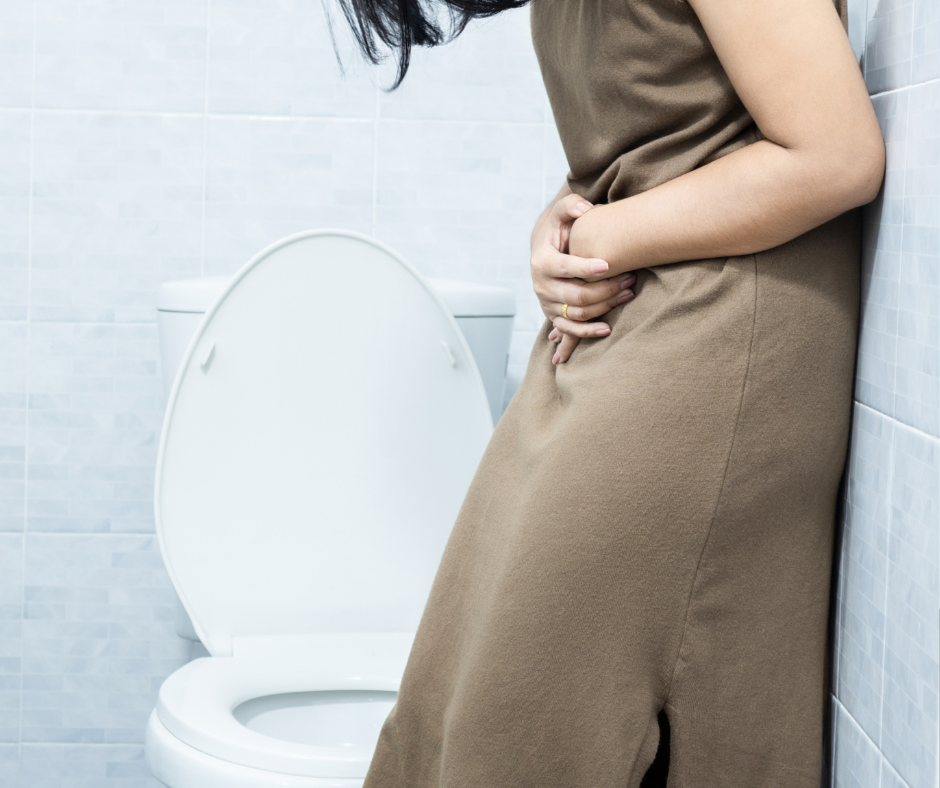
- Estrogen and progesterone fluctuations can alter how quickly food moves through your digestive tract.
- Lower progesterone may speed up bowel movements, leading to loose stools.
- Stress hormones like cortisol often spike during perimenopause, which can worsen diarrhea episodes.
What Common Triggers Can Set Off Perimenopause Diarrhea?
- Dietary sensitivities
Foods high in caffeine, sugar, or dairy may intensify symptoms. Spicy meals and highly processed foods can also irritate the gut.
- Stress and anxiety
Emotional shifts during perimenopause can directly impact digestion. Stress hormones like cortisol speed up gut motility, which can trigger loose stools.
- Sleep disruption
Poor rest affects cortisol balance, which can aggravate perimenopause diarrhea. Night sweats and insomnia often make this worse.
- Hormonal fluctuations
Rapid changes in estrogen and progesterone influence how quickly food moves through the digestive tract, sometimes leading to diarrhea episodes.
- Gut microbiome changes
Shifts in hormone levels can alter the balance of gut bacteria, which may contribute to digestive discomfort.
Supportive Strategies
- Choose the right fiber
Insoluble fiber (found in foods like raw veggies, bran, and seeds) can speed things up and sometimes make diarrhea worse. Soluble fiber (e.g. apples & beans) absorbs water and helps firm up stools, making it a better choice when dealing with diarrhea during perimenopause.
- Hydration
Replace lost fluids and electrolytes to prevent fatigue.
- Mindful eating
Slowing down meals supports digestion and reduces urgency.
- Lifestyle adjustments
Gentle exercise, stress management, and consistent sleep routines can reduce flare-ups of diarrhea during perimenopause.
- Hormone-friendly recipes
Explore nourishing, hormone-supportive meals to stabilize digestion and support overall midlife health.
- Targeted supplementation
Beyond food and lifestyle, some ladies find extra support through carefully chosen supplements. Options that support good digestion and immune health with proven bacteria strains in a convenient powdered formula, or enzyme-containing blends that help break down food more efficiently, can make a real difference.
I often recommend these supplements as part of a holistic approach to midlife health.
When to Seek Help
Occasional digestive changes are common, but persistent diarrhea during perimenopause may signal an underlying condition such as IBS, thyroid imbalance, or food intolerance. Consulting a healthcare provider ensures you get the right support and rule out other causes.
FAQs
Is perimenopause diarrhea normal?
Yes, it can be a normal response to hormone fluctuations, though severity varies.
How long does diarrhea last in perimenopause?
It often comes and goes with hormonal shifts, but persistent symptoms should be checked by a professional.
Can diet changes help?
Absolutely. Adjusting fiber intake, reducing trigger foods, and trying hormone-friendly recipes can make a difference.
Finding the Right Support
Digestive shifts like diarrhea during perimenopause can feel frustrating, and I understand how disruptive they can be. As a menopause health coach and holistic nutritionist, I’ve seen these symptoms often and know how much they impact daily life.
If you’d like personalized support and guidance, I invite you to book a free discovery call with me.
Join my newsletter to get ongoing tips, recipes, and strategies for navigating hormone health with confidence.




+ show Comments
- Hide Comments
add a comment