


Have you ever found yourself snapping at someone over a spilled cup of coffee, or crying during a commercial for paper towels?
Many women in their late 30s and 40s reach out to me feeling completely blindsided by their emotions. One week you feel steady and grounded, and the next, anger or anxiety seems to take the wheel out of nowhere.
As a Certified Holistic Nutritionist and Menopause Health Coach, I see this every day in my practice. These sudden mood changes in perimenopause are strongly influenced by fluctuating hormones.
Let’s unpack what is happening inside your body, why your nervous system feels on edge, and how you can naturally bring calm and balance into your daily life.
The Hormones Shift Behind Perimenopause Mood Changes

To understand why your emotional state feels like a rollercoaster, we have to look at what estrogen and progesterone are doing behind the scenes.
During your peak reproductive years, progesterone acts as your body’s natural calming agent. It stimulates GABA receptors in the brain, helping you handle daily stress and sleep soundly. Estrogen plays a huge role too, influencing your brain’s production of serotonin and dopamine, the chemical messengers responsible for joy and motivation.
When perimenopause begins, ovarian function doesn’t stop gracefully. It stutters.
Progesterone is often the first hormone to drop, leaving you without that built-in soothing cushion. Meanwhile, estrogen spikes and crashes unpredictably. When estrogen plummets, your serotonin drops right along with it.
That sudden dip is why mood changes in perimenopause often show up as irritability, sudden sadness, heightened anxiety, or a low tolerance for everyday frustrations. Your nervous system is working overtime with fewer biochemical resources.
4 Strategic Ways to Support Your Mood and Nervous System
While hormone shifts are a natural part of midlife, you do not have to just sit back and suffer through them. Supporting your body through targeted daily habits can make a dramatic difference in how you handle stress.
1. Steady Your Blood sugar to steady your emotions
Glucose spikes and crashes mirror emotional highs and lows. When your blood sugar drops rapidly, your body releases cortisol and adrenaline, stress hormones that instantly trigger irritability and panic.
- Focus on protein: Include good protein with every meal to keep your energy and mood steady. You can check out my collection of recipes for menopause for ideas on what to make.
- Don’t skip meals: Spacing your meals evenly 3 to 4 hours keeps your adrenal glands from panicking and sending stress signals to your brain.
- Pair your carbs: Avoid eating complex carbohydrates on their own. Always pair them with healthy fats and fiber to slow down digestion and prevent severe glucose spikes.
2. Prioritize Sleep Hygiene to Restore Brain Chemistry
Estrogen drops can interfere with deep, restorative sleep, leaving your brain struggling to regulate emotions the next day. Chronic sleep disruption also raises your cortisol baseline, making your nervous system far more reactive to minor daily stress.
- Lower your stress ceiling: Learn how to lower your stress ceiling to beat menopause insomnia to protect your night sleep.
- Maintain a cool environment: Lower your bedroom temperature to around 65 degrees to mitigate nighttime hot flashes and support natural melatonin production.
- Create a strict wind-down window: Put away screens at least 60 minutes before bed. Blue light suppresses melatonin, making it harder for your brain to transition into deep sleep.
3. Support Your Body with Adaptogens and Botanicals
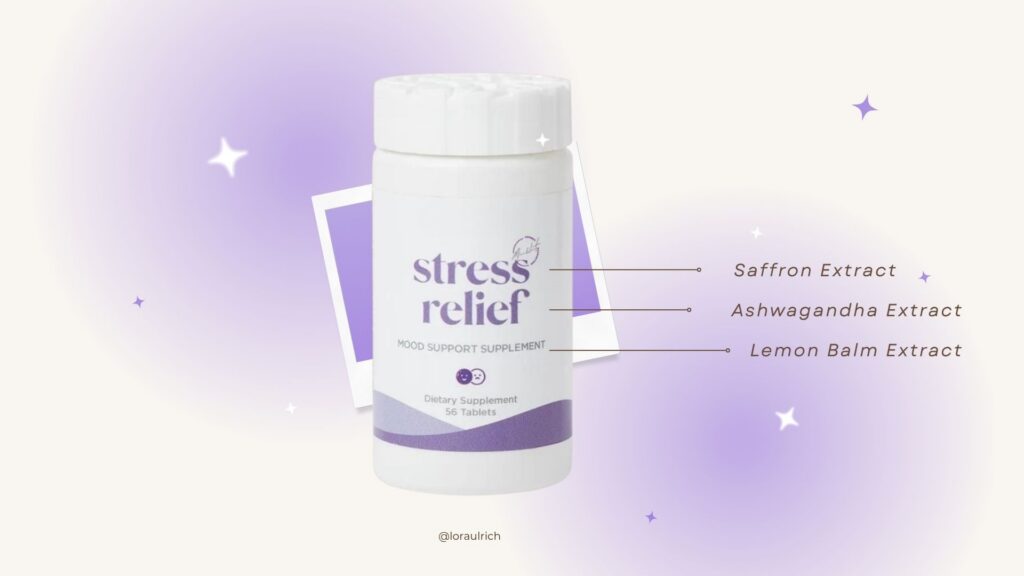
While diet and sleep lay the foundation, targeted nutritional support gives your nervous system the extra leverage it needs during heavy hormonal transitions.
In my coaching practice, I often recommend specific botanicals known to support emotional balance and stress adaptation:
- Saffron extract: Research shows saffron supports healthy serotonin production, helping to elevate mood and smooth out emotional spikes.
- Ashwagandha extract: A powerful adaptogen that supports adrenal health and regulates your body’s cortisol response to daily stressors.
- Lemon balm extract: Known for its gentle, soothing effect on the nervous system to ease restlessness and support relaxation.
You can find all three of these targeted ingredients blended into the Stress Relief supplement featured on my perimenopause supplements page. Pairing strategic lifestyle habits with pure, high-quality botanical support is often the missing key to finding balance.
4. Build Micro-Breaks Into Your Day to Regulate Cortisol
Your nervous system needs clear, deliberate signals to shift out of “fight or flight” mode. Pausing for just a couple of minutes during a busy day makes a big difference.
- Practice box breathing: Take 5 deep breaths in for 4 seconds, hold for 4, and exhale for 4 to calm your nervous system.
- Step outside: Take a 5-minute walk outside midday to break up long periods of sitting and clear your head.
- Buffer your time: Leave 5 minutes between tasks or errands instead of rushing straight into the next thing.
Next Steps for Your Hormones
Navigating perimenopause mood changes takes a different approach than managing stress in earlier years.
To get to the root of your symptoms with personalized guidance, you can set up a time to chat with me. Schedule a free discovery call today, and let’s discuss how we can support your hormones, optimize your diet, and help you get back to feeling grounded.
FAQs
What is the difference between depression and perimenopause mood changes?
While symptoms can overlap, perimenopause mood shifts often fluctuate rapidly based on your cycle and hormone levels, whereas clinical depression tends to be more continuous. You can read more about how these differ in my guide on menopause depression. Working with a health coach helps clarify what your body is experiencing.
Can perimenopause cause sudden rage or anger out of nowhere?
Yes. Sharp drops in estrogen disrupt serotonin levels, while falling progesterone leaves you with less of the chemical cushion that normally buffers stress. This can make your tolerance for small annoyances drop quickly, leading to sudden outbursts of anger or intense frustration.
What is the best supplement for these mood changes?
It depends on your specific symptoms, but botanicals like Ashwagandha, Saffron, and Lemon Balm are widely used to support the nervous system. Ashwagandha helps regulate your body’s response to stress, Saffron supports healthy serotonin production, and Lemon Balm provides a gentle calming effect.






+ show Comments
- Hide Comments
add a comment